
Shoulder replacement surgery
Your damaged shoulder joint is replaced with a new, artificial one.
We offer expert-led shoulder replacement procedures and personalised recovery plans to treat painful, damaged shoulder joints and help you regain comfort, strength, and mobility in your daily life.
Sometimes also called
- Shoulder arthroplasty
- Joint replacement surgery
At a glance
-
Typical hospital stay
2–5 days -
Procedure duration
1–2 hours -
Type of anaesthetic
General or regional -
Available to self-pay?
Yes -
Covered by health insurance?
Yes
Why Spire?
- Fast access to diagnostic tests and scans
- Fast access to treatment when you need it
- Internationally and nationally renowned consultants
- Flexible payment options to help you spread the cost
What is shoulder replacement surgery?
Shoulder replacement is a procedure where a damaged or worn-out shoulder joint is removed and replaced with an artificial joint. This involves replacing the ball at the top of the upper arm bone (humerus) with a metal ball and the socket in the shoulder blade with plastic.
Sometimes, a partial replacement is sufficient, where only the ball of the joint is replaced. The type of surgery you have will depend on the condition of the bones, muscles and tendons in your shoulder.
Signs you need a shoulder replacement
Pain in your shoulder that is not relieved by other treatments, such as steroid injections or physiotherapy, is the most common reason for a shoulder replacement.
Shoulder replacement surgery can also be beneficial if you experience:
- Difficulty moving your arm or lifting objects due to stiffness or weakness
- Problems sleeping because of pain or discomfort
- Loss of shoulder function, making it hard to do daily tasks like dressing, reaching, or combing your hair
Common conditions that cause shoulder pain include:
- A shoulder fracture that is complex or not healed properly
- Osteoarthritis
- Rheumatoid arthritis
- Rotator cuff injury
- Shoulder impingement — when tendons rub against soft tissue or bone, causing pain
Shoulder replacement surgery is most commonly performed on people aged between 65 and 84, but is suitable for people of any age. The artificial joint typically lasts at least 10 years, and in many cases, much longer.
Is shoulder replacement surgery right for you?
Shoulder replacement surgery may be a good option if you experience ongoing shoulder pain, stiffness, or weakness that limits your ability to do everyday activities or sports, and if other treatments like medications, injections, or physiotherapy haven’t helped.
Your doctor will assess your symptoms, lifestyle, overall health, and relevant imaging results (such as X-rays, CT scans or MRI scans) before recommending surgery.
As with any surgery, there are risks of complications with shoulder replacement surgery. Your recovery time can be several months and you may need support at home when you’re discharged from hospital. While most people experience relief from their symptoms, there may be ongoing discomfort and you may have a limited range of movement.
Artificial joints usually last 10-20 years, so revision surgery may be needed in the future.
Alternative treatments to shoulder replacement surgery
Shoulder replacement is usually only recommended by your doctor when other, non-surgical treatments have not worked.
Alternative treatments include:
- Assistive devices such as slings, braces, or supports
- Arthroscopy (keyhole surgery), a less invasive procedure to remove damaged tissue or bone spurs
- Over-the-counter or prescription anti-inflammatory medicines
- Physiotherapy
- Steroid injections
Find your nearest Spire hospital
Almost all our hospitals offer private shoulder replacement surgery and have teams of orthopaedic (bone and muscle) surgeons who specialise in this procedure.
Events
Meet the Mako Robot - information evening on knee surgery
Our expert hip and knee surgeon Mr Simon Tilley will be showcasing our new MAKO Robot at our free knee pain information event.
Learn more
Free patient information evening for knee pain with Mr Majid Chowdhry
Join Consultant Orthopaedic Surgeon, Mr Majid Chowdhry for an evening talk.
Learn more
Free patient information evening on hip pain from Azal Jalgaonkar
The session will be delivered by Consultant Orthopaedic Surgeon Azal Jalgaonkar
Learn more
How shoulder replacement works
In a healthy shoulder joint
The shoulder is a ball-and-socket joint. The rounded head of the upper arm bone (humerus) fits into a socket in the shoulder blade (glenoid). This allows for a wide range of motion in all directions, and your muscles, tendons, and ligaments all work together to achieve a smooth, stable movement.
In an unhealthy shoulder joint
In an unhealthy shoulder, the cartilage that cushions the joint can wear down, causing pain, stiffness, and inflammation.
Conditions like osteoarthritis or rheumatoid arthritis may inflame the joint lining and damage tissues further. Bone spurs can develop, limiting movement, and rotator cuff damage can reduce stability and lead to worsening joint function.
Types of shoulder replacement surgery
- Total shoulder replacement: A standard total shoulder replacement involves removing the damaged, arthritic joint surfaces and replacing them with a smooth metal ball attached to a stem and a durable plastic socket. These components are secured to the bone either with surgical cement or by press-fitting them so the bone can grow around them naturally
- Resurfacing hemiarthroplasty: This procedure replaces the surface of the humeral head with a cap-like implant, preserving more natural bone. It’s often more suitable for younger, active patients and can be converted to a full shoulder replacement later if needed
- Reverse total shoulder replacement surgery: This procedure is used for patients with arthritis, a severely damaged or torn rotator cuff, or when a previous shoulder replacement has failed. The joint’s structure is reversed, placing a metal ball on the shoulder blade and a socket on the upper arm, allowing the deltoid muscle to control shoulder movement and improve function.
The type of surgery you have will be determined by imaging results, your lifestyle, and your doctor’s recommendation.
What to expect during your shoulder replacement surgery
Preparing for shoulder replacement surgery
Ideally, to prepare for your surgery you should quit smoking, follow a healthy diet, and be as active as possible. This will help to speed up your recovery and reduce the risks of complications.
Before your surgery, you’ll receive a preadmission form. This collects information about your overall health, medical history, and social background to help us plan your care.
Depending on the type of surgery you have and the information you provide, you may be asked to visit the hospital a few days before your procedure. During this visit, you’ll be assessed by one of our specialist preadmission nurses.
You’ll receive instructions on how to fast before your surgery, and whether to take or stop your usual medications. On the day, you can shower or bathe before but avoid using creams or moisturisers.
You’ll be given a hospital gown and disposable underwear to change into.
Who will be involved in your surgery?
Ward nurses will take care of you when you arrive at the hospital, and you’ll be under the supervision of an experienced consultant. An anaesthetist will ask you some questions and explain what to expect. When you’re wheeled into the operating theatre, you’ll be under the care of your surgeon and operating team.
After your surgery, you will stay on a ward for a few days. The ward nurses will look after you, and a physiotherapist will visit to show you some gentle exercises and give you advice on shoulder movements to try or to avoid.
How long does a shoulder replacement take?
The procedure will take 1–2 hours, depending on the type and complexity of surgery.
Anaesthetic choices
Shoulder replacement surgery is usually carried out under general anaesthetic, meaning you'll be asleep and won’t be able to feel anything. However, you’ll need to avoid eating for 6 hours and won’t be able to drink anything for 2 hours before the procedure.
In some cases, regional anaesthetic may be used instead. This involves numbing the nerves in your shoulder and arm, so you remain awake but won’t feel anything in the numbed area. A sedative may also be given to help you relax.
Your consultant will discuss the most suitable option with you in advance. On the day of your surgery, you’ll meet with your anaesthetist, who will talk you through the process and administer your anaesthetic.
What to expect straight after shoulder surgery
After your procedure, you will be taken to a recovery room until the anaesthetic wears off. Note that anaesthetic can affect your coordination, reaction times, and memory for up to 24 hours after surgery.
You will be moved to a ward until you can eat, drink, walk around and go to the toilet normally. You must pass urine within 6–12 hours of your surgery. After a few days, you will be discharged and can go home.
Your wound will be covered with a dressing that may show slight blood staining in the first 24 hours. Keep it in place until your post-operative outpatient review and follow any discharge instructions. Steri-strips or wound glue may have been used and will usually fall off on their own. Bruising and mild swelling around the wound are common and should fade over 2–3 weeks.
Pain after shoulder replacement surgery
As with any major surgery, you will feel some pain and discomfort after your procedure. If you’ve had a regional nerve block, your arm will feel numb and you may have limited movement for 8–12 hours after surgery. By the next day, the effects of the block should wear off, and your pain can usually be managed with over-the-counter pain relief.
As you recover, the pain from your surgery should start to decrease and you should gain more movement in your shoulder. The long-term (chronic) pain you experienced before your surgery should start to ease as you heal.
Q & A
What is shoulder replacement surgery?
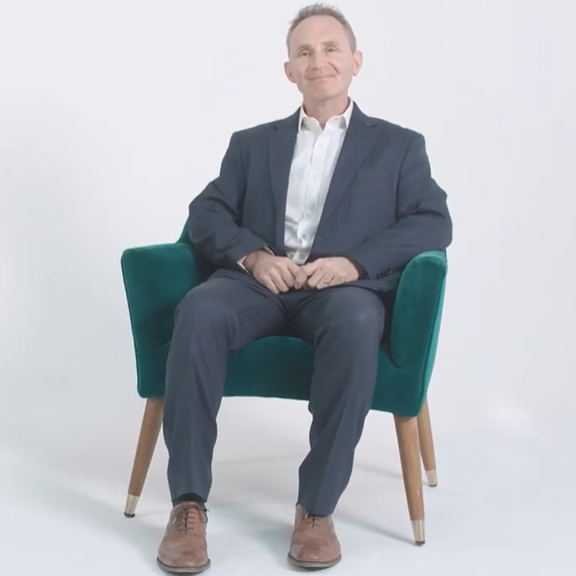
In this video, Consultant Orthopaedic Surgeon, Mr Timothy Matthews describes in detail how a shoulder replacement is performed and why it is necessary.
Recovering from shoulder replacement surgery
After surgery, you will need to wear a sling for 2 weeks (apart from showering), and then at night for 6 weeks. During this time, you should limit how much you use the arm you just had surgery on.
If your sutures haven’t dissolved when you have your follow-up at the outpatient clinic, they will be removed at this appointment.
Your physiotherapy team will give you exercises to do at home and advise you on when you can start to move your arm more. It’s important to do these exercises to strengthen your muscles and prevent your shoulder and arm from becoming stiff.
Your physiotherapist will explain which movements to avoid, such as reaching behind your back or using your arm to push yourself up from a bed or chair.
Your surgeon may advise not lifting anything heavier than a cup of tea for the first 6 weeks. Avoid heavy lifting and contact sports for at least 6 months.
You can expect noticeable improvement within 6 weeks of your surgery, with steady progress over the next few months. Full benefits typically take 3 to 6 months, though further gradual improvement may continue for up to 2 years. Your recovery depends on how well you follow your rehabilitation programme.
Pain relief after shoulder surgery
After surgery, you'll be prescribed painkillers to take at regular intervals during the first 48 hours. It’s important to closely monitor your dosage to make sure you feel comfortable and mobile but don’t feel drowsy or constipated.
When can you drive after shoulder replacement surgery?
You won’t be able to drive until you’ve been cleared by your consultant or physiotherapist — usually at least 6 weeks after surgery. You will need to be able to control the car and perform an emergency stop. How quickly you can return to driving depends on your individual recovery, pain management, side-effects from medication, and your range of movement.
Returning to work after shoulder replacement surgery
When you return to work depends on the type of job you have and how quickly you recover. For desk-based or light duties, you may be able to return in 6–8 weeks, depending on your comfort and mobility. For manual or physically demanding work and sports, you may need to wait 3–6 months, especially if your job or sport involves lifting, overhead movement, or repetitive arm use.
Your consultant or physiotherapist will guide you based on your healing, range of motion, and strength. It's important not to rush your return, as proper recovery helps ensure the long-term success of your shoulder replacement.
Treatment and recovery timeline
Recovery is different for everyone and will depend on the type of surgery you had, your general health, age, and the condition of the muscles around the shoulder part that has been replaced.
Here’s a typical timeline for recovery from shoulder replacement surgery:

Hour 6-12
Weeks 12-24
Hour 6-12
Pass urine
Hour 8-12
Numbness from the regional block will wear off
Day 2
Stand up and start moving around, able to eat as usual, pass your first stool after surgery
Weeks 1-2
Initial recovery with pain management and limited movement
Weeks 3-6
Gradual increase in shoulder movement, supported by physiotherapy
Weeks 6-12
Continuing physiotherapy and increased shoulder function, return to work for desk jobs
Weeks 12-24
Return to normal activities with improved strength and mobility in the shoulder, return to work for manual jobs, return to playing sport
-
Hour 6-12
Pass urine
-
Hour 8-12
Numbness from the regional block will wear off
-
Day 2
Stand up and start moving around, able to eat as usual, pass your first stool after surgery
-
Weeks 1-2
Initial recovery with pain management and limited movement
-
Weeks 3-6
Gradual increase in shoulder movement, supported by physiotherapy
-
Weeks 6-12
Continuing physiotherapy and increased shoulder function, return to work for desk jobs
-
Weeks 12-24
Return to normal activities with improved strength and mobility in the shoulder, return to work for manual jobs, return to playing sport
Risks and complications
All surgery comes with risks, but the risks are low for joint replacement surgery. Your consultant will discuss risks and complications with you, which include:
- Infections
- Dislocation
- Fracture
- Loosening of the implant
- Stiffness in the shoulder
- Damage to nerves, tendons or blood vessels
Infections occur in around 1 in 100 procedures. We take every precaution to reduce this risk, including using ultra-clean environments and preventive antibiotics. In rare cases, an infection may require the joint to be washed out via keyhole surgery (arthroscopic washout). If you notice increased pain or fluid leaking from your wound, seek medical advice.
When to seek urgent care
Contact your doctor immediately if you experience:
- Signs of a blood clot in your leg (DVT) — redness, warmth, swelling, or pain in the leg
- Signs of infection — fever or chills, increasing shoulder pain even at rest, redness or tenderness around the wound, fluid leaking from the wound
- Signs of a pulmonary embolism — sudden chest pain or difficulty breathing
To lower your risk of blood clots, you may receive blood-thinning medication and may be given compression stockings. Start moving your legs as soon as safely possible after surgery.
Risks of general anaesthetic
Serious complications from general anaesthetic are very rare. For most people, the benefits far outweigh the risks. Talk to your anaesthetist if you’ve ever had a bad reaction to anaesthetic in the past.
Total shoulder replacement outcomes
A total shoulder replacement has a high success rate, with 9 in 10 implants lasting more than 10 years. In rare cases, the implant may loosen over time and require revision surgery.
Frequently asked questions
How soon will I be up and about?
Your care team will encourage you to start moving as soon as possible, often on the same day as your surgery. You’ll begin with gentle shoulder and arm movements under the guidance of a physiotherapist. Once your team is confident that you can manage safely at home, you’ll be discharged.
How long does shoulder replacement surgery take?
The procedure usually takes between 1 and 2 hours.
How long before I feel normal?
Most people resume daily activities about 6 weeks after shoulder replacement, but recovery varies based on age, fitness, shoulder condition, and lifestyle.
When can I drive again?
Most people can return to driving around 6 to 8 weeks after shoulder replacement. You’ll need to be able to perform an emergency stop safely. Always inform your insurance provider if you have any major surgery as it may affect your coverage.
What is the recovery time for shoulder replacement surgery?
Full recovery takes 4–6 months; however, you should see significant improvement after around 6 weeks.
When can I go back to work?
Returning to work after shoulder replacement depends on your job. For desk-based roles, you may return in 6–8 weeks, while manual or physically demanding jobs might require around 12 weeks or more.
When can I do housework?
You can usually resume light household tasks around 6 weeks after shoulder replacement, but avoid heavy lifting or strenuous activities for about 3 months.
Will I need another new shoulder?
Most shoulder replacements last at least 15 years. If you’re younger, you may eventually need a revision surgery to replace the worn joint.
When can I fly after shoulder replacement surgery?
Consult a doctor before flying. Flying soon after surgery can increase your risk of blood clots (DVT). Be sure to check airline policies as many have specific rules about flying after surgery.
Is there an alternative to shoulder replacement surgery?
Shoulder replacement surgery is usually only an option after alternatives such as physiotherapy and steroid injections have been exhausted.
What happens to rotator cuff muscles after reverse shoulder replacement?
As the rotator cuff muscles are used less, they may become smaller and weaker, while the deltoid muscle becomes more active and therefore, stronger.
The treatment described on this page may be adapted to meet your individual needs, so it's important to follow your healthcare professional's advice and raise any questions that you may have with them.