
Shoulder arthroscopy
A keyhole procedure to diagnose and treat problems inside the shoulder.
Our expert team offers advanced surgical techniques to ease pain, improve movement and help you return to everyday activities.
Sometimes also called
- Shoulder arthroscopic surgery
- Keyhole shoulder surgery
At a glance
-
Typical hospital stay
Day case -
Procedure duration
30–120 minutes -
Type of anaesthetic
General -
Available to self-pay?
Yes -
Covered by health insurance?
Yes
Why Spire?
- Fast access to diagnostic tests and scans
- Expert, personalised treatments
- Internationally and nationally renowned consultants
- Clear, simple pricing and flexible payment options
What is shoulder arthroscopy?
Shoulder arthroscopy is a type of keyhole surgery, a minimally invasive technique used to inspect, diagnose and treat a range of problems inside the shoulder joint.
A small camera called an arthroscope is inserted through a 0.5–1cm cut (incision) in the skin, transmitting pictures to a television screen to allow your surgeon to examine and assess the inside of your shoulder joint. Miniature surgical instruments are passed through one or more additional small cuts to repair or remove damaged tissue.
Why might I need a shoulder arthroscopy?
Your shoulder is a complex joint that is capable of more motion than any other joint in your body. It is made up of several moving parts that all need to work together smoothly for the shoulder to function properly. You may need a shoulder arthroscopy if you have ongoing shoulder pain, stiffness or reduced movement in your shoulder that has not improved with non-surgical treatments such as physiotherapy, steroid injections or medication.
Shoulder pain is usually the result of injury, overuse and age-related wear and tear. You may need a shoulder arthroscopy if you have:
- Torn or damaged tissues
- Shoulder instability
- Bone spurs, impingements, bursitis or tendonitis
- Frozen shoulder
- Inflammation or damage in the joint lining
- Joint wear or damage
Is shoulder arthroscopy right for you?
Most people can manage shoulder problems without surgery, but if your shoulder has not responded to alternative treatments then you may need surgery to relieve pain and improve function.
A shoulder arthroscopy is a far less invasive procedure than traditional surgery. Making tiny cuts instead of one large cut results in less discomfort and scarring, reduced risk of infection and faster recovery times.
How long it takes to recover from the procedure will depend on how complex your diagnosis is and whether any treatment was carried out during surgery.
Are there alternative treatments to shoulder arthroscopy?
You may be able to manage shoulder pain with alternative treatments. These include:
- Anti-inflammatory medications to reduce pain and swelling
- Changing or stopping routine activities that aggravate your shoulder
- Physiotherapy exercises to improve shoulder function
- Steroid injections to reduce inflammation and ease pain
You may be referred for an MRI scan, especially if a soft tissue injury such as a rotator cuff tear, labral tear, or bursitis is suspected. However, if your symptoms persist or the diagnosis from the imaging is unclear then an arthroscopy may be needed to look inside the joint.
Find your nearest Spire hospital
Almost all our hospitals offer private shoulder arthroscopy and have teams of orthopaedic (bone and muscle) surgeons who specialise in this procedure.
How shoulder arthroscopy works
The operation is carried out via keyhole surgery (arthroscopy). A small 1cm cut is made in your shoulder and a tiny camera is inserted. This projects images onto a video screen, allowing your surgeon to see your cartilage, bones, tendons, and ligaments to diagnose the problem with your shoulder joint.
Between 1–3 small cuts are made and tiny surgical instruments passed through. Depending on your diagnosis, your surgeon will:
- Clear out arthritic or damaged parts of the shoulder
- Remove bone spurs or overhanging bone
- Remove calcium deposits from tendons
- Repair torn tissues such as rotator cuff or labrum
- Shave scarred, thickened or inflamed tissue such as bursa
The surgeon will also assess the rest of your shoulder joint. The incisions will then be closed and stitched, covered with a bulky dressing and your arm placed in a sling.
What to expect during your shoulder arthroscopy
Before your procedure
Before your procedure you will be sent a pre-admission form. This collects information on your overall health, medical history, and information about your support network. You may be asked to come into hospital for a review with a specialist nurse.
A shoulder arthroscopy is usually performed as a day case, but sometimes you may need to stay in hospital overnight.
If you smoke, you will be advised to stop several weeks before surgery, as it can slow down healing and increase your risk of infection. In the weeks leading up to your surgery you should eat a healthy diet and stay active to speed up your recovery.
Who will be involved?
Your care team will include a specialist orthopaedic surgeon, anaesthetist, nurses, and physiotherapists.
On the day of your procedure
You can shower or bathe before you come to hospital, but avoid using lotions.
Your surgery will likely be carried out under a general anaesthetic, so you will need to fast (ie stop eating and drinking) several hours before your surgery. You will be advised on how long you need to fast for before you arrive.
When you arrive at the hospital you will be given a pre-operative assessment. Your care team will talk you through the procedure and give you the opportunity to ask any questions you may have.
You will be given a gown and disposable underwear to change into before being taken to the operating theatre.
The procedure
Depending on the procedure, shoulder arthroscopy normally takes between 30–120 minutes.
You will be given a regional nerve block to numb the shoulder and upper arm and a general anaesthetic to put you to sleep.
When you come around from the anaesthetic, you will be offered pain relief. Take painkillers as instructed for a few weeks after surgery, and use an ice pack to reduce swelling.
Q & A
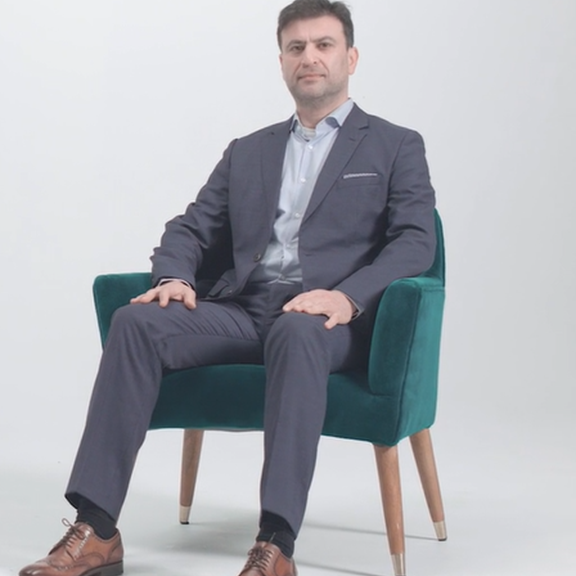
Nasir Shah, Consultant Orthopaedic and Upper Limb Surgeon
Talking about shoulder arthroscopy
Recovery
What happens after surgery?
You will be transferred to a recovery room where you will be monitored as the anaesthetic wears off. It’s normal to feel sick after anaesthetic, but this usually improves after 24 hours.
If you have had a regional nerve block, your arm will feel numb and have little movement for 8–12 hours. There is likely to be some pain and discomfort once the local anaesthetic wears off, but this should be manageable with painkillers.
After an initial rest period you will be able to get out of bed. A physiotherapist will advise you on moving your shoulder and show you some gentle exercises (eg hand, wrist and elbow movements) to keep your circulation going and prevent stiffness.
You will be allowed to go home when you have had something to eat and drink, passed urine and can walk around.
General anaesthetic can cause you to feel drowsy, so it is important not to drive, use heavy machinery, cook, consume alcohol or make any important decisions until at least 24 hours after surgery.
Recovering from surgery
Recovery can take between 1–12 months, depending on the complexity of your procedure. You should notice improvements in your shoulder 3 weeks after surgery, and by around 3 months, most people feel significantly better. Improvement can continue up to a year following surgery.
Your dressing can be removed after 48 hours and your wound area cleaned. You may want to keep a dressing on the wound while it heals to prevent it from rubbing.
Stitches are removed after 10–14 days.
For 2–3 weeks, your shoulder will feel swollen, bruised and painful. Over-the-counter painkillers and ice packs will help to manage this. The incisions (cuts) will take 6–8 weeks to heal, and gentle massage can help reduce any pain or swelling. They will eventually fade to thin white scars.
Your physiotherapy team will give you exercises to do at home to increase range of motion and build strength in your shoulder. They'll also advise you on what you can and can’t do. It’s important to follow their instructions to get the best outcomes from your procedure.
You may be advised to wear a sling for 2–4 weeks. If you are out in public, it’s advisable to wear your sling to prevent your arm from being jolted.
Returning to work
How quickly you can return to work depends on your procedure and the type of work you do. If you do desk-based work, you can usually return in 1–3 weeks. However, if your job involves manual work of heavy lifting you may need between 3–6 months off.
When can you drive again?
You should be able to return to driving when you can hold your arm at shoulder height, confidently make an emergency stop, change gear, and look over your shoulder without discomfort.
Sleeping
For the first few weeks, you may find it more comfortable to sleep in your sling either propped up in a bed or a reclining chair. By week 4–6, you can usually stop wearing the sling at night and return to your usual sleeping position. However, it is advisable not to sleep on the side where you were operated on. After 6 weeks, most people can sleep normally.
Smoking
Some people take the opportunity to stop smoking after an operation. This reduces the risk of a chronic (long-term) cough straining your wounds. Quitting also reduces your risk of infection.
Treatment and recovery timeline
Everyone recovers at a different rate, and it will also depend on the type of procedure you had. However, this is a typical recovery timeline after shoulder arthroscopy:

2–6 hours
6 –12 months
2–6 hours
Pass urine, eat and drink, and able to walk
1 day
Gentle hand, wrist and elbow movements
2 days
Remove dressing, wash as normal
5–7 days
Physiotherapy begins
10–14 days
Stitches removed
2–4 weeks
Return to work for desk-based jobs
3–4 weeks
Return to driving
6 weeks
Return to manual handling work (following a minor procedure)
6–8 weeks
Finish physiotherapy (following a minor procedure)
3 months
Return to full mobility
3–6 months
Finish physiotherapy (following a complex procedure). Return to manual work (following a complex procedure).
4–6 months
Return to non-contact sport, gym and more physical work
6 –12 months
Full recovery
-
2–6 hours
Pass urine, eat and drink, and able to walk
-
1 day
Gentle hand, wrist and elbow movements
-
2 days
Remove dressing, wash as normal
-
5–7 days
Physiotherapy begins
-
10–14 days
Stitches removed
-
2–4 weeks
Return to work for desk-based jobs
-
3–4 weeks
Return to driving
-
6 weeks
Return to manual handling work (following a minor procedure)
-
6–8 weeks
Finish physiotherapy (following a minor procedure)
-
3 months
Return to full mobility
-
3–6 months
Finish physiotherapy (following a complex procedure). Return to manual work (following a complex procedure).
-
4–6 months
Return to non-contact sport, gym and more physical work
-
6 –12 months
Full recovery
Risks and complications
Every surgery comes with risks; however, complications following shoulder arthroscopy are rare.
Seek medical advice if you develop any of the following:
- Increased pain, redness, swelling, bleeding or discharge at the site of the wound
- High fever or chills
- Unexplained cough, shortness of breath or chest pain
- Unexplained swelling of the calf
Frequently asked questions
Is shoulder arthroscopy a major surgery?
The complexity depends on what your surgeon discovers and whether it needs treatment during the procedure.
Is shoulder arthroscopy painful?
Shoulder arthroscopy can be painful, especially in the first few days following surgery. The pain can be controlled with painkillers and usually starts to settle within 1–2 weeks.
Can I drive after shoulder arthroscopy?
You will not be able to drive for 2–4 weeks post-surgery (or longer depending on the complexity of your procedure). You will need to be out of your sling and able to safely control the vehicle, including performing an emergency stop, before returning to driving.
How long is recovery from shoulder arthroscopy?
This varies depending on the type of procedure you have. Full recovery for minor procedures is around 8–12 weeks. Major surgery can take 9–12 months to recover.
How long do I need off work following shoulder arthroscopy?
This depends on the type of surgery you have and the work you do. Those in desk-based jobs should allow 1–4 weeks off work. For those in heavy manual work, allow 6 weeks for minor procedures, and 3–6 months from work for major procedures.
The treatment described on this page may be adapted to meet your individual needs, so it's important to follow your healthcare professional's advice and raise any questions that you may have with them.