
Cholesterol level test
A blood test to check your cholesterol levels.
Your cholesterol levels contribute to your risk of developing serious health conditions, such as heart disease and stroke. This test allows you to discover your personal risk so you can take action to improve your health.
At a glance
-
Typical hospital stay
Outpatient procedure -
Procedure duration
1–2 minutes -
Type of anaesthetic
None -
Available to self-pay?
Yes -
Covered by health insurance?
Some insurers may cover this by exception
Why Spire?
- Fast access to treatment when you need it
- Consultants who are experts in their field
- Clear pricing with no hidden charges
- 98% of our patients are likely to recommend us to their family and friends
What is a cholesterol test?
What is cholesterol?
Cholesterol is a waxy, fat-like substance that your body needs for a variety of functions, including building new cells and making hormones.
However, high levels of cholesterol in your blood increase your risk of heart disease, heart attack, stroke, mini-strokes and peripheral artery disease.
Why is high cholesterol dangerous?
High cholesterol causes fatty deposits to build up along the insides of your arteries. These are called atherosclerotic plaques.
Atherosclerotic plaques narrow the arteries, reducing blood flow to your organs, including your heart and brain. They can also tear or burst apart. This causes a blood clot to form, which can block a smaller artery, leading to a stroke.
What does a cholesterol test measure?
A cholesterol test is also known as a lipid panel. It measures fats called triglycerides as well as cholesterol, which can be ‘good’ or ‘bad’ cholesterol.
The test measures the total amount of cholesterol in your blood and the amount of good cholesterol. By taking the good cholesterol level away from the total cholesterol level, a cholesterol test can also reveal the amount of bad cholesterol in your blood.
Understanding good cholesterol, bad cholesterol, and triglycerides
Good cholesterol refers to cholesterol bound to a protein called HDL or high-density lipoprotein — this is called HDL cholesterol. When cholesterol is attached to HDL, it’s transported to the liver, where it’s broken down and leaves the body.
Bad cholesterol refers to cholesterol bound to a protein called LDL or low-density lipoprotein — this is called LDL cholesterol. When cholesterol is attached to LDL, it’s transported to cells throughout the body. However, excess LDL cholesterol can build up along the insides of arteries, which increases the risk of cardiovascular disease.
Triglycerides are fats that your body uses as a source of energy. Excess triglycerides are stored as an energy source for later use. However, as with LDL cholesterol, high levels of triglycerides can build up along the insides of arteries.
Triglycerides can be made by your liver or come from your diet. Triglycerides from your diet are attached to proteins called chylomicrons. Triglycerides made by your liver are attached to a protein called very-low-density lipoprotein (VLDL). A cholesterol test measures both forms of triglycerides.
Why you might need a cholesterol test
A cholesterol test may be recommended by your doctor if they think you are at risk of high cholesterol. For example, if you:
- Are aged over 40
- Are overweight
- Have a family history of high cholesterol or heart disease
- Have diabetes
- Have high blood pressure
As high cholesterol doesn’t usually cause any symptoms, cholesterol level tests are an essential part of any health assessment.
If you follow an unhealthy diet and/or don’t exercise regularly, it’s particularly important to have your cholesterol levels checked.
If you have already been diagnosed with heart disease, you will need to have regular cholesterol tests.
Is a cholesterol test right for you?
A cholesterol test is a very low-risk test that’s suitable for almost all adults. It’s the only way to determine if you have high cholesterol.
If you are concerned that your lifestyle, diet or family history may put you at risk of high cholesterol, a cholesterol test can give you peace of mind. Importantly, if your test shows that your cholesterol levels are high, you can then take action to bring your levels down.
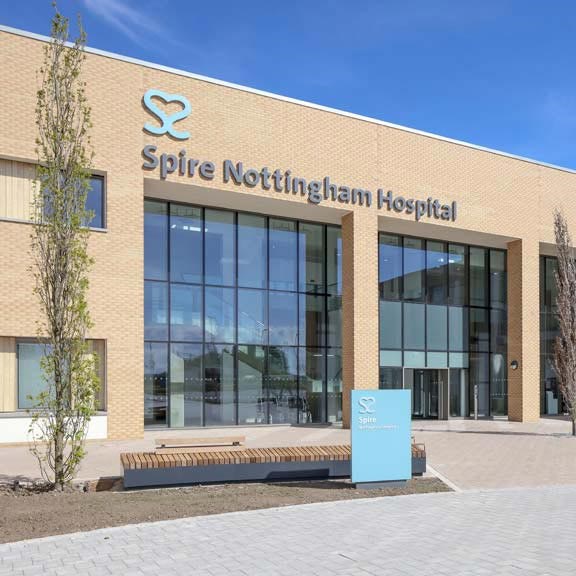
Find your nearest Spire hospital
Many of our hospitals offer private cholesterol testing, carried out by experienced healthcare professionals.
How the cholesterol test works
A cholesterol test is a blood test. A sample of your blood will be collected by an experienced nurse or phlebotomist using a small needle. The needle is attached to a small test tube, where your blood will be collected.
The needle is most often inserted into a vein along the inner part of your elbow. A tourniquet may briefly be tied above your elbow — this can help make the vein in your elbow easier to locate.
If it’s not possible to draw blood from a vein in your elbow, your nurse or phlebotomist may draw blood from a vein in your wrist. In some cases, you may have a finger-prick blood test instead.
For cholesterol blood tests, you don’t need to fast (ie stop eating and drinking beforehand). Once your blood is collected, it will be sent to one of our modern, fully equipped labs, where it will be tested for:
- Total cholesterol
- HDL cholesterol
- Non-HDL cholesterol
- Triglycerides
At Spire Healthcare, we aim to provide you with your results within 24 hours.
What happens after a cholesterol test?
You can return to your usual activities straight after your test.
After you receive your results, you’ll have a follow-up appointment with your doctor. If your cholesterol test results are abnormal, they will speak to you about next steps.
High cholesterol levels can be treated with lifestyle changes, medication or both. Your doctor may refer you to a dietitian to support you in making healthier food choices.
If appropriate, your doctor will advise you on how to safely and gradually increase your activity levels. They will also advise you to quit smoking and reduce how much alcohol you drink.
If medication is needed, your doctor will explain your options, as well as the risks and benefits, including potential side effects.
What to expect during the test
How to prepare for your test
Before you arrive for your cholesterol test at Spire Healthcare, you will have a consultation with a doctor. It’s important to let them know all of the medications and supplements you’re taking. If you need to temporarily stop taking certain medications before your test, they will tell you when to stop and how long to stop for.
Fasting is no longer required before a cholesterol level test. However, it’s helpful to be well-hydrated before a blood test to make it easier to take your blood sample.
Who will be involved?
Your cholesterol blood test will be performed by an experienced nurse or a phlebotomist in one of our modern hospitals.
A phlebotomist is a healthcare professional who is specially trained to draw blood.
All of our nurses are registered with and regulated by the Nursing and Midwifery Council.
How long does the test take?
A cholesterol blood test only takes 1–2 minutes to complete.
Is the test painful or uncomfortable?
You may feel some mild, brief discomfort when the needle goes in to draw your blood. This is often described as feeling like a sharp scratch.
You may also have a small bruise around the site where the needle went in. This will disappear after a few days.
Get fast access to our services with inSpire health insurance
With inSpire health insurance you'll get fast access to world-class experts at Spire Healthcare, including GPs and physiotherapists.

Getting your results and next steps
Based on your results, your doctor can let you know whether your total cholesterol, HDL cholesterol, LDL cholesterol and triglycerides are within healthy ranges.
If your total cholesterol, LDL cholesterol or triglyceride levels are too high or your HDL level is too low, you are at greater risk of heart disease, heart attack and stroke.
Your doctor will advise you on next steps to restore your levels to healthier ranges. The target ranges set by your doctor will depend on whether or not you have previously had a heart attack or stroke.
They will advise and support you to make lifestyle changes, such as:
- Exercising regularly
- Following a healthy, balanced diet that is low in fat, salt and sugar
- Losing excess weight through diet and exercise
- Quitting smoking
- Reducing the amount of alcohol you drink
You may also need medication. The most commonly prescribed medications for high cholesterol are statins.
In some cases, if your levels are particularly high or abnormal, you may be referred for further tests, such as additional blood tests, and/or be referred to a specialist doctor.
Risks and complications
As a cholesterol blood test is a very low-risk procedure, there are few risks or complications.
However, during or after your test, you may faint or feel faint or dizzy. Your care team will look after you to make sure you feel well again before you leave.
You may also notice some mild bruising around the site where blood was drawn. This area may feel sore. Any bruising and soreness will usually go away after a few days.
Frequently asked questions
Why is cholesterol monitored?
High cholesterol is a major risk factor for cardiovascular disease, which can lead to a heart attack, stroke or mini-stroke. As high cholesterol often causes no symptoms until one of these conditions occurs, it’s important to monitor levels. This can help you make changes to reduce your cholesterol levels before your heart and blood vessels are damaged more.
Which blood test shows cholesterol levels?
A cholesterol test is also known as a lipid panel or lipid profile. This blood test measures total cholesterol, HDL cholesterol, LDL cholesterol and triglyceride levels.
Do I need to fast for a cholesterol test?
In the past, fasting cholesterol tests were used to reduce the effect of any food you ate on your cholesterol levels and, especially, on your triglyceride levels. Research has since shown that fasting doesn’t change cholesterol levels significantly, and the effect on triglyceride levels is small.
However, if you have a non-fasting cholesterol test and your triglyceride levels are found to be very high, you may then be asked to have a fasting cholesterol test to rule out the effect of food you have eaten.
The treatment described on this page may be adapted to meet your individual needs, so it's important to follow your healthcare professional's advice and raise any questions that you may have with them.
Get in touch
Sources
https://www.nhs.uk/conditions/high-cholesterol/getting-tested/
https://www.bhf.org.uk/informationsupport/heart-matters-magazine/medical/tests/blood-cholesterol
https://my.clevelandclinic.org/health/articles/23922-what-is-cholesterol
https://my.clevelandclinic.org/health/diseases/16753-atherosclerosis-arterial-disease
https://www.heartuk.org.uk/cholesterol/triglycerides
https://www.nhs.uk/conditions/high-cholesterol/
https://www.nhs.uk/conditions/high-cholesterol/how-to-lower-your-cholesterol/
https://www.nhs.uk/conditions/high-cholesterol/medicines-for-high-cholesterol/
https://www.nhs.uk/tests-and-treatments/blood-tests/
https://www.health.harvard.edu/blog/farewell-fasting-cholesterol-test-201606169784