
Circumcision
The removal of the foreskin from the penis.
Our experienced medical team offers safe, confidential circumcision procedures with a focus on comfort, hygiene and rapid recovery.
At a glance
-
Typical hospital stay
Day case -
Procedure duration
30–60 minutes -
Type of anaesthetic
Local, regional, or general -
Available to self-pay?
Yes -
Covered by health insurance?
Yes
Why Spire?
- Fast access to treatment when you need it
- Consultants who are experts in their field
- Clear pricing with no hidden charges
- 98% of our patients are likely to recommend us to their family and friends
What is circumcision?
Circumcision refers to surgery to remove the foreskin — the fold of skin that covers and protects the head of the penis (known as the glans). In some countries the foreskin is removed in childhood for cultural or religious reasons. Circumcision may be needed at any age for medical reasons, or sought for cosmetic reasons.
What is the function of the foreskin?
Your foreskin protects your penis when flaccid and pulls back when your penis is erect, which is thought to increase pleasurable sensations during sex. However, poor hygiene can cause bacteria and viruses to grow underneath the foreskin, which may increase the likelihood of an infection.
Which common conditions affect the foreskin?
There are several common conditions that affect the foreskin, and may affect your whole penis. These include:
- Inflammation — a build up of smegma (a white or yellow substance made from dead skin cells and natural oils) under the foreskin can lead to inflammation of the head of the penis and foreskin, and conditions such as balanitis, balanoposthitis, balanitis xerotica obliterans (BXO) and posthitis
- Paraphimosis — a medical emergency where the foreskin has been pulled back and has become stuck, reducing or cutting off blood circulation to the head of your penis
- Phimosis — when the foreskin is too tight and cannot be pulled back, which can cause issues around sex, urination, and increase the risks of infection; this is more common in children but also can occur in adults
- Skin rashes — often caused by harsh chemicals such as soaps or spermicides
- Sexually transmitted infections — infections transmitted during unprotected sex such as gonorrhoea, syphilis, herpes simplex type 2 and HIV/AIDS
- Tumours — while rare, cancer can form anywhere on your penis and often starts on the foreskin or head of the penis
Why a circumcision may be carried out
Circumcision is most commonly carried out when the foreskin has become too tight and cannot be pulled back. This is known as phimosis and can cause issues such as repeated infections, pain, tearing of the foreskin and difficulty passing urine.
Phimosis occurs naturally in young boys. As children, it is normal for the foreskin to be non-retractable but by early teens the foreskin should start to loosen.
In adults, phimosis usually occurs due to underlying issues such as infections and inflammation. These can cause the foreskin to thicken and become less elastic.
Circumcision may also be carried out if you have:
- Cosmetic concerns
- Cultural reasons
- Recurring urinary tract infections
- Recurring balanitis ie recurrent inflammation of the head of the penis
- Foreskin that is too long and causing problems
Is circumcision right for me?
If your foreskin is tight and painful, removing it through circumcision can improve your quality of life. Circumcision may also prevent recurring infections such as balanitis and BXO, improve hygiene, reduce discomfort during sex, and lower your risks of certain sexually transmitted diseases and penile cancers.
Are there alternative treatments to circumcision?
Your doctor may suggest alternative treatments before surgery is considered depending on your individual circumstances.
Medications such as corticosteroids, antibiotics and antifungal creams can be used to relieve inflammation. However, if your infection doesn’t respond to treatment or keeps coming back, then surgical removal of the foreskin may be considered.
Preputioplasty may also be considered. This is where the foreskin is widened via surgery rather than removed. However, there are risks of scarring, which can cause medical issues or feelings of dissatisfaction with how the penis looks.
What age can you have a circumcision?
Circumcision can be carried out at any age. However, you may not be suitable for circumcision surgery if you have certain medical conditions such as a bleeding disorder or a developmental disorder affecting the penis.
Find your nearest Spire hospital
Almost all our hospitals offer private circumcision for adults and have teams of consultant urological surgeons who specialise in this procedure.

Events
Free Mini Vascular Monthly Consultations with Mr Oluwole
Free mini consultation with Consultant Vascular and Endovascular Surgeon, Mr Akin Oluwole
Learn more
Free mini consults with Consultant Gynaecologist, Mr Georgios Theophilou
Book a free mini consult with Mr Theophilou, and get another set closer to understanding and managing your Endometriosis
Learn more
Free Online Parents Paediatric ENT Event with Consultant Dr Huw Jones
Parents, join our free online event with Dr Huw Jones to learn about tonsillitis, sleep apnoea, ear infections, hearing loss and nosebleeds
Learn more
How circumcision surgery works
During your circumcision surgery, your surgeon will make a circular cut to your foreskin just below the head of the penis, removing the entire foreskin. This will leave the head of the penis completely exposed.
The cut will then be stitched to the glans using dissolvable stitches. Occasionally, a small plastic ring clamp will be used instead of stitches. A dressing (usually a sterile, soft gauze soaked in petroleum jelly) will be gently wrapped around your penis to protect it. This can be removed after 24 to 48 hours.
When your circumcision is complete, you may be given an injection of local anaesthetic into the base of the penis to help reduce any pain.
What to expect during the procedure
Preparing for your circumcision surgery
Before your procedure, you will be sent a pre-admission form to complete. This will allow the medical team to plan the level of care you will need. Depending on your answers, you may need to attend a pre-admission clinic for an in-person assessment a few days before your procedure.
You will be advised on whether you need to temporarily stop taking certain medications.
If you smoke, you will be advised to stop smoking several weeks before your surgery (smoking reduces the amount of oxygen your blood carries and can delay healing).
A few weeks before your surgery, eat a healthy diet (high in protein, fruits, vegetables and whole grains) and stay active (exercise such as walking) to help you recover faster.
In the week before your surgery, do not shave or wax the area around your genitals. Shaving or waxing can cause micro-cuts or skin irritation, and become entry points for bacteria, increasing the risks of infection after surgery.
If you are diabetic it’s important to make sure your blood sugar levels are under control around the time of your circumcision.
If your operation is being carried out under a general anaesthetic, you will need to stop eating and drinking several hours before your surgery. You will be advised on how long you need to fast in your admissions letter.
If you are having your circumcision under local or regional anaesthetic, you can usually eat a light meal and drink as normal unless your doctor says otherwise.
Your hospital stay
This type of surgery is usually performed as a day case procedure. Sometimes we will recommend that you stay in hospital overnight after your operation. This will be discussed with you when you are seen in clinic.
On the day of your procedure
When you arrive at the hospital you will be given a pre-operative assessment to check such things as your pulse, temperature, blood pressure and urine.
Anaesthetic choices
Circumcision surgery is normally carried out under a regional or local anaesthetic. These anaesthetics block the nerves and numb the genital area, so you will be awake but not feel any pain.
In some instances, your anaesthetist may give you a general anaesthetic, which means you will be asleep during the operation.
Your anaesthetist will talk to you about the procedure and the anaesthetic they will use (regional, local or general). They will ask whether you smoke, have any chest problems, allergies, dental issues such as caps, crowns or loose teeth, or if you have had a previous reaction to anaesthetic.
Pre-operation
You will be given a gown and disposable underwear to wear and will be taken on a trolley to the operating theatre.
You will have monitoring devices attached via sensors on your body, as well as an intravenous drip. You will then be given anaesthetic to either numb your penis and surrounding area, or to put you to sleep.
You will be taken to the operating theatre, and the hair on your groin will be shaved if necessary.
How long does circumcision surgery take?
Circumcision is generally a straightforward procedure and should take around 30 minutes.
What happens after surgery?
You will be transferred to a recovery room where you will be monitored as the anaesthetic wears off. Your penis will feel numb from the anaesthetic at first and the feeling will start to return in a few hours.
You may start to experience some discomfort and will be offered painkillers.
Some patients may feel slightly sick from the anaesthetic. This can last up to 24 hours but usually passes without the need for medication.
You will be allowed to go home when you have had something to eat and drink, passed urine, and can walk around. This is usually between 2 to 6 hours after your surgery.
If you have had a general anaesthetic it can cause you to feel drowsy, so it is important not to drive, use heavy machinery, cook, drink alcohol, or make any important decisions until at least 24 hours after surgery.
Q & A
Circumcision: Procedure, benefits, risks and recovery
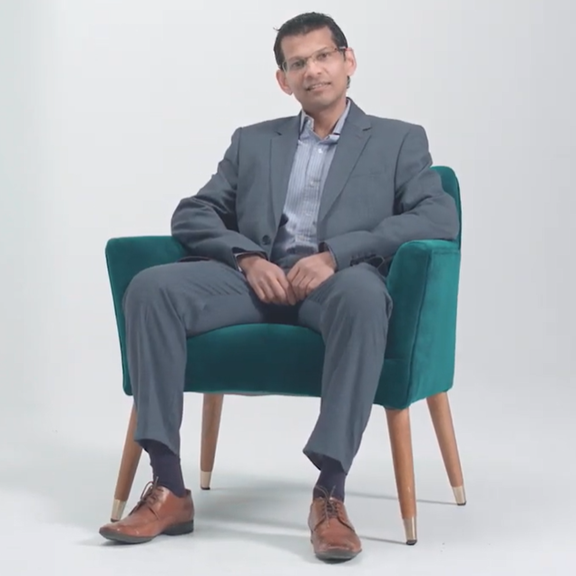
Mr Thiru Gunendran, Consultant Urological Surgeon, explains why you might need a circumcision procedure due to a tight foreskin or balanitis. The procedure can be done either with a local or general anaesthetic and involves a cut around the head of the penis which will take a few weeks to heal.
Recovering from surgery
Pain relief
Your penis will be swollen, bruised and painful for 1 to 2 weeks after your surgery. Over-the-counter medications such as paracetamol will help to manage your pain.
Time off work
You may need to take at least a week off work while you recover.
Wound care
You will be able to remove your dressings 24 hours after surgery and you can wash the wound with soap and water 48 hours after your surgery.
You may feel more comfortable wearing loose-fitting clothing in the first few days after surgery. Applying a thin layer of petroleum jelly to your wound will stop it from sticking to your clothing.
Your stitches will usually dissolve within 2 to 6 weeks.
Driving
You should be able to return to driving after 5–7 days, providing you are confident you can make an emergency stop and turn to look over your shoulder when reversing without any discomfort.
Physical activity
Avoid heavy or strenuous activity for the first 2 weeks, and you can return to most usual activities after this time if you feel comfortable.
Sexual activity
You will continue to get erections as normal following your circumcision. When this happens, you may initially feel some tightness or discomfort around the scar tissue, but this will ease over a few months.
You should refrain from any sexual activity (intercourse or masturbation) for at least 4 weeks until the wound is fully healed.
How sensitive will my penis feel?
For the first 2 to 3 weeks after your circumcision, the exposed head of your penis will feel very sensitive. Once the hypersensitivity has settled you may find that your penis is slightly less sensitive than before your surgery.
Treatment and recovery timeline
The length of time it takes to recover from surgery is different for everyone. In general, recovery takes around 4 weeks, and you’ll go home on the same day as your surgery.

2–6 hours
Weeks 4–6
2–6 hours
Pass urine, eat and drink, able to walk
Days 1–2
Remove dressings
Day 3
Wash as normal
Days 5–7
Return to driving if safe
Days 7–10
Return to work
Week 2
Return to most normal physical activities, excluding sex
2–6 weeks
Stitches will dissolve naturally
Week 4
Resume sexual activity if penis is healing well
Weeks 4–6
Penis should be fully healed
-
2–6 hours
Pass urine, eat and drink, able to walk
-
Days 1–2
Remove dressings
-
Day 3
Wash as normal
-
Days 5–7
Return to driving if safe
-
Days 7–10
Return to work
-
Week 2
Return to most normal physical activities, excluding sex
-
2–6 weeks
Stitches will dissolve naturally
-
Week 4
Resume sexual activity if penis is healing well
-
Weeks 4–6
Penis should be fully healed
Risks and complications
Every surgery comes with risks, however, it is rare to have complications following circumcision and most men do not experience any significant problems.
Bruising and swelling may cause some discomfort but this should settle in 4 to 6 weeks. It is normal for the wound to feel lumpy for a few weeks after your operation and you may experience twinges in the wound for up to 6 months.
Seek urgent medical attention if you develop any of the following:
- Difficulty passing urine
- High fever or chills
- Increased pain, redness, swelling, bleeding or discharge at the site of the wound
- Unexplained cough, shortness of breath or chest pain
- Unexplained swelling of the calf
Frequently asked questions
What is circumcision?
Circumcision is the surgical removal of the foreskin from the penis.
How does circumcision work?
Removing the foreskin from the penis can reduce or prevent the occurrence of infection and inflammation (often caused by a build up of smegma under the foreskin), and can prevent pain when the foreskin has become too tight (phimosis).
What does a circumcision look like?
The foreskin is permanently removed, leaving the head of the penis exposed. Some swelling or redness is normal at first, but this will settle and the head of the penis should return to how it looked before.
Is circumcision painful?
You may feel some discomfort after the procedure but can usually be managed with over the counter pain medication such as paracetamol. You should be pain free in around 7–10 days.
How long does circumcision take to heal?
Circumcision usually takes 4 to 6 weeks to fully heal.
Does circumcision reduce sensitivity?
You may find that your penis is slightly less sensitive than before your operation.
Will I be able to have sex after my circumcision?
You can usually return to sexual activity (including intercourse and masturbation) 4 to 6 weeks after your circumcision providing you are fully healed.
The treatment described on this page may be adapted to meet your individual needs, so it's important to follow your healthcare professional's advice and raise any questions that you may have with them.