
Robotic-assisted surgery for gynaecology
Gynaecological conditions can have a significant impact on your comfort, confidence and day-to-day life. When surgery is needed, robotic-assisted techniques can support a minimally invasive approach³, helping you recover more comfortably.
At Spire Healthcare, your care is designed around you, combining clinical expertise with advanced technology to deliver safe and effective treatment.
How robotic-assisted surgery can help

Personalised planning²
Your procedure is tailored to you, helping your surgeon work accurately around nerves, blood vessels and surrounding tissue.

Enhanced precision¹

Recovery focused approach⁴
A minimally invasive approach, where appropriate, may reduce disruption to surrounding tissues. This can support recovery, with many patients experiencing a shorter hospital stay and returning to everyday activities sooner.
Technology used in robotic-assisted gynaecological surgery
For many gynaecological procedures, Spire Healthcare uses robotic-assisted system to support a minimally invasive approach. This provides enhanced visualisation alongside finely controlled instruments that allow your surgeon to perform precise movements in confined areas of the pelvis. This level of control can support careful dissection and treatment while reducing disruption to surrounding tissue, which may help improve comfort after surgery and support recovery. Your surgeon remains in complete control at every stage, using the technology to enhance precision and deliver safe, effective care.

da Vinci® robotic-assisted surgery system
This advanced technology provides your surgeon with a high-definition, magnified 3D view and highly controlled instruments, allowing them to operate with precision in delicate and complex areas of the body.
Treatments and procedures

Hysterectomy
A hysterectomy is an operation to remove the uterus (womb). Depending on why the surgery is needed it may also involve removing one or both of the fallopian tubes and one or both of the ovaries.
Find out more
Myomectomy (fibroid removal)
Myomectomy is a surgical procedure to remove uterine fibroids — non-cancerous growths that can cause heavy bleeding, pain, and pressure. Unlike a hysterectomy, it preserves the uterus, making it a suitable option for maintaining your fertility. The procedure can be done laparoscopically (keyhole surgery) or open surgery, depending on the size and location of the fibroids.
Find out more
Ovarian cystectomy
Many ovarian cysts are harmless but if they are causing you pain your doctors will recommend they are removed through surgery. The procedure is relatively straightforward and takes around 45 minutes. Most women go home on the day of the operation, which is usually performed under a general anaesthetic.
Find out moreMichelle's story
Michelle lived in pain with endometriosis for years, feeling unheard and dismissed—until she came to Spire.

Find a hospital offering robotic-assisted gynaecology surgery
What you need to know about ovarian cysts
Ovarian cysts are fluid-filled sacs that grow on the ovaries, and are very common in women before menopause.
Read more
Hysterectomy: life after surgery
A hysterectomy is the surgical removal of the womb (uterus).
Read more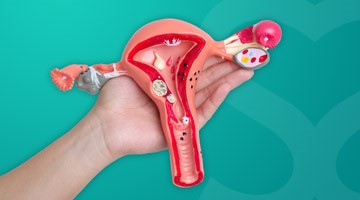
Ask the expert: what are fibroids?
Fibroids, also known as uterine fibroids, affect around one in five women in the UK aged between 30 and 50.
Read more