
Myomectomy surgery
A surgical procedure to remove uterine fibroids while preserving the uterus.
We provide an effective procedure to remove uterine fibroids, helping relieve heavy periods, pain, and pressure while preserving your uterus and fertility.
At a glance
-
Typical hospital stay
1–3 nights -
Procedure duration
2–3 hours -
Type of anaesthetic
General -
Available to self-pay?
Yes -
Covered by health insurance?
Yes
Why Spire?
- Fast access to treatment when you need it
- Expert, personalised treatments
- Flexible payment options to help you spread the cost
- 98% of our patients are likely to recommend us to their family and friends
What is myomectomy?
Myomectomy is a surgical procedure to remove uterine fibroids — non-cancerous growths that can cause heavy bleeding, pain, and pressure. Unlike a hysterectomy, it preserves the uterus, making it a suitable option for maintaining your fertility. The procedure can be done laparoscopically (keyhole surgery) or open surgery, depending on the size and location of the fibroids.
Signs of needing myomectomy
Myomectomy can relieve symptoms such as heavy or prolonged periods, pelvic pain or pressure, frequent urination, difficulty emptying your bladder, or fertility issues linked to fibroids.
Is myomectomy right for you?
Myomectomy may be right for you if you have symptomatic fibroids and want to keep your uterus, especially if you're planning a future pregnancy. It’s a good option if you want relief from your symptoms without having a hysterectomy.
Alternative treatments to myomectomy
There are several alternatives to myomectomy depending on your symptoms and what’s causing them. These include medications to manage your hormones (oral, injections, or hormone-releasing coils), high-intensity focused ultrasound (HIFU), transcervical resection of fibroid (TCRF), uterine artery or fibroid embolisation (UAE), and hysterectomy.
Find your nearest Spire hospital
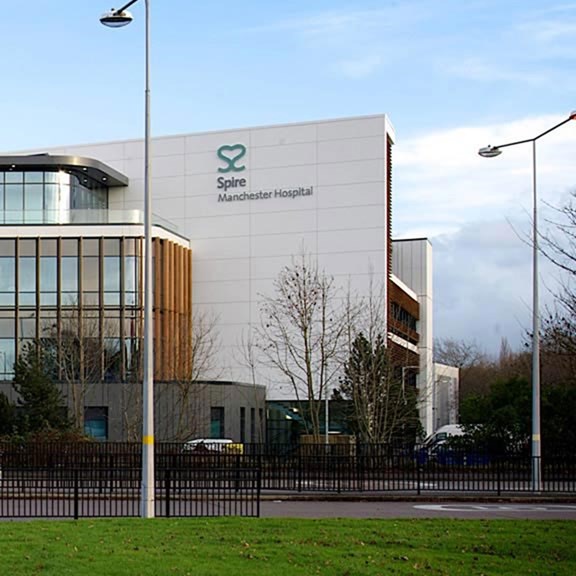
Many of our hospitals offer private myomectomy surgery, carried out by experienced consultant gynaecologists specialising in this treatment.
How myomectomy surgery works
Myomectomy surgery involves removing fibroids from the uterus while leaving the rest of the uterus intact.
Depending on the size and location of the fibroids, the procedure can be performed through small cuts made in the vagina (keyhole surgery), which means you will have no visible scars, or through a larger cut made into the abdomen (open surgery).
What to expect during the myomectomy procedure
Myomectomy is usually performed under general anaesthesic, so you’ll be asleep and won’t feel any pain during the procedure. If you’re having a laparoscopic myomectomy, you’ll usually stay in hospital overnight. Open myomectomy typically requires a 2–3 night hospital stay.
To support your recovery and reduce the risk of complications, it helps to stay active, eat a balanced diet, and stop smoking ahead of the procedure.
You’ll need to fast if you’re having general anaesthetic ie to stop eating and drinking for the time specified in your admissions letter. When you arrive at the hospital, you’ll be given a gown and disposable underwear to change into before surgery.
Who will be involved?
Your myomectomy will be performed by a specialist surgeon with expertise in treating fibroids and preserving fertility. Your skilled care team will include an anaesthetist and experienced nursing staff, all dedicated to your safety and comfort throughout your stay.
How long does a myomectomy take?
Every procedure is different, but on average it takes between 2–3 hours.
Anaesthetic choices
The procedure is typically performed under general anaesthetic, with local anaesthetic used to minimise bleeding and ease post-operative pain.
Pain during and after myomectomy surgery
It's normal to experience some abdominal discomfort after myomectomy, especially when moving. You’ll be given pain relief to take as needed.
What to expect after myomectomy surgery
After your myomectomy, you will be taken to a recovery area where our team will monitor you as you wake up from the anaesthetic. It’s normal to feel drowsy or slightly nauseous for up to 24 hours.
As you recover, you’ll be encouraged to start moving, to eat, drink and use the toilet before you go home. You will usually stay in hospital for 1 day after keyhole surgery, and 2–3 days after open surgery.
Get fast access to our services with inSpire health insurance
With inSpire health insurance you'll get fast access to world-class experts at Spire Healthcare, including GPs and physiotherapists.

Recovering from myomectomy surgery
You may have some vaginal bleeding or discharge for up to 2–3 weeks after surgery. Rest is important for the first 1–2 weeks, and you should avoid heavy lifting. Most people can return to normal activities, including work, within 4–6 weeks, and resume sex when bleeding has stopped and they feel ready.
You can drive when you can perform an emergency stop and turn without pain. If you smoke, this is a good time to quit, as smoking slows healing and puts strain on your body.
Dressings can be removed after 48 hours. Bruising and swelling around the wound are normal and usually fade within 2–3 weeks.
Treatment and recovery timeline
Although recovery will depend on the type of surgery you’ve had, here’s a typical myomectomy surgery recovery timeline:

1–2 days
Your catheter and IV will be removed as you recover. Begin walking, eating, and using the toilet.
1–2 weeks
Rest at home, avoid heavy lifting. Light vaginal bleeding and mild pain are common.
3–4 weeks
Gradual return to normal activities. Bleeding should reduce. Increased mobility and comfort.
4–6 weeks
Most return to work and everyday routines. Resume sex when bleeding stops and you're comfortable. You can drive when you can do so without pain and can perform an emergency stop.
-
1–2 days
Your catheter and IV will be removed as you recover. Begin walking, eating, and using the toilet.
-
1–2 weeks
Rest at home, avoid heavy lifting. Light vaginal bleeding and mild pain are common.
-
3–4 weeks
Gradual return to normal activities. Bleeding should reduce. Increased mobility and comfort.
-
4–6 weeks
Most return to work and everyday routines. Resume sex when bleeding stops and you're comfortable. You can drive when you can do so without pain and can perform an emergency stop.
Risks and complications
Myomectomy is a common and effective procedure, with a high success rate. As with any surgery, there are some risks, but serious complications are rare. Possible risks include:
- Needing to switch to open surgery after starting keyhole surgery
- Tissue within the abdomen bulging out through a weak spot (hernia) where the abdomen was cut to perform the surgery
- Need for caesarean section in future pregnancies (depending on the size and location of fibroids removed)
- Post-operative shoulder pain (usually from gas used in keyhole surgery)
- Urinary tract infection (UTI)
- Pelvic infection or abscess
- Recurrent fibroids
- Very rare risk of hysterectomy
Your surgeon will discuss these risks with you before your procedure.
Frequently asked questions
Does myomectomy affect fertility?
Fibroids can impact fertility, and myomectomy may improve your chances of getting pregnant. Many women conceive successfully after surgery. You'll need to avoid pregnancy for 2–3 months, using barrier contraception. In some cases, the womb wall may be weakened, so a caesarean section may be recommended for future births.
When can I return to work after myomectomy?
Recovery from myomectomy depends on the type of surgery. You can usually return to work within 2–6 weeks, depending on the type of surgery and your job. Recovery is quicker after keyhole surgery.
Can fibroids grow back after myomectomy?
Yes, fibroids can grow back after myomectomy, particularly if you’re still of childbearing age, as the hormones that promote fibroid growth are still active.
The treatment described on this page may be adapted to meet your individual needs, so it's important to follow your healthcare professional's advice and raise any questions that you may have with them.