
Tinnitus treatment
Manage ringing or buzzing in the ears.
Tinnitus is when you can hear buzzing, humming or ringing in your ears that doesn’t come from an external source. While there’s no cure, managing symptoms can support tinnitus relief and improve quality of life.
At a glance
-
Typical hospital stay
Outpatient procedure -
Procedure duration
Varies depending on procedure -
Type of anaesthetic
None -
Available to self-pay?
Yes -
Covered by health insurance?
Yes
Why Spire?
- Fast access to treatment when you need it
- Expert, personalised treatments
- Internationally and nationally renowned consultants
- Clear, simple pricing and flexible payment options
- 98% of our patients are likely to recommend us to their family and friends
What is tinnitus?
Tinnitus is the sensation of hearing sounds that have no external source. This common condition is often described as ringing in ears, but it can also sound like buzzing, hissing, humming, whistling or roaring. Some people may also hear musical instruments playing.
Pulsatile tinnitus is a type of tinnitus where you hear a rhythmic sound that often matches your heartbeat. Tinnitus may affect one or both ears. For some people, it’s constant, while for others it may come and go.
Tinnitus causes and triggers
Tinnitus affects around 7 million people in the UK at some point in their lives. It can be linked to a range of causes and triggers. In some cases, it settles in hours or days. In others, it can continue for months or years and have an ongoing impact on daily life, including sleep and concentration.
It’s often associated with hearing loss, where changes in hearing can affect how sound is processed. It may also develop following ear infections or other conditions that affect the ear. Exposure to loud noise, certain medications, stress, and the natural ageing process can also trigger or worsen tinnitus.
Signs you may benefit from tinnitus treatment
Tinnitus can affect daily life in different ways, depending on how often it occurs and how severe the symptoms are. You may benefit from treatment if you experience any of the following tinnitus symptoms:
- A constant sensation of blocked ears
- Changes in your hearing alongside tinnitus
- Difficulty sleeping or concentrating, especially in busy environments
- Dizziness
- Feeling distressed, anxious or irritated by the sound
- Pain in the ears or your jaw
- Returning symptoms
Is tinnitus treatment right for you?
You may be suitable for tinnitus assessment and treatment if your symptoms are persistent, troublesome, or affecting your day-to-day activities. Other factors include your hearing, general ear health, and any underlying conditions that may be contributing to your symptoms. A specialist assessment is usually needed to determine the most appropriate approach.
Find your nearest Spire hospital
Many of our hospitals offer private tinnitus assessment and treatment, carried out by experienced ENT specialists and audiology teams.

How does the procedure work?
There’s no single treatment to get rid of tinnitus. Instead, treatment focuses on reducing the impact of symptoms and helping you manage the condition more effectively. A Spire Healthcare specialist will assess your symptoms and recommend a personalised combination of therapies depending on the likely cause and how tinnitus is affecting you.
Treatment options
Please note that not all treatments are available at every Spire Healthcare hospital. Speak to your local hospital or consultant for more information.
Acoustic CR® Neuromodulation
Acoustic CR is provided in partnership with The Tinnitus Clinic. It uses a device and medical headphones to play sounds tailored to your tinnitus, with the aim of reducing how noticeable it becomes over time. Studies show it can reduce symptoms in around 7 in 10 people.
Environmental sound enrichment
This involves increasing background sound levels to make tinnitus less noticeable. It may include the use of an ambient sound generator or other sound devices to reduce the contrast between tinnitus and silence.
Tinnitus desensitisation therapy (TDT)
This combines tinnitus-specific counselling, sound therapy and relaxation techniques. Customised hearing devices may be used to help reduce the brain’s focus on the tinnitus signal so you gradually learn to notice it less.
Relaxation training
Stress and anxiety can make tinnitus more noticeable. Relaxation techniques such as breathing exercises and muscle relaxation can help reduce stress levels and lessen the impact of symptoms.
Sleep counselling
Tinnitus is often more noticeable in quiet environments, which can make it harder to fall asleep or cause you to wake up in the night. Sleep counselling focuses on reducing anxiety and unhelpful thoughts around tinnitus to help improve sleep quality.
What to expect during your tinnitus treatment
Before the treatment
You’ll have a consultation with a specialist before starting treatment. This is to discuss your symptoms, medical history and any concerns you may have. It may also include hearing tests or other diagnostic tests, such as scans or blood tests if needed to help understand the cause of your tinnitus. Any additional tests and costs will be discussed with you in advance.
During your initial consultation, your specialist will assess your symptoms and talk through which treatment options are most suitable for you.
Medications
Tell your doctor about any medications you are taking before your appointment.
Who will be involved?
Your care will be led by an experienced ENT (ear, nose and throat) consultant or an audiologist — a GMC-registered healthcare professional specialising in hearing and balance problems. These specialists are experienced in diagnosing and managing tinnitus and will support you throughout your treatment.
You can choose your consultant and decide who oversees your care. Depending on your needs, other healthcare professionals may also be involved in your treatment plan.
The treatments
How long does the treatment take?
The length of your tinnitus treatment will vary depending on the type of treatment and your individual needs. Some approaches involve a single assessment followed by ongoing management, while others include a structured programme over a number of weeks or months.
Is tinnitus treatment painful or uncomfortable?
Tinnitus treatment is not painful. Most treatments are non-invasive, such as sound therapy, counselling and relaxation techniques. That said, you may need time to get used to new sounds or hearing devices, but these can be adjusted if needed. Pain relief is not usually needed.
What happens straight after treatment?
After completing tinnitus treatment, many people notice gradual changes in how they experience their symptoms as the brain learns to ignore the sound. This process is known as ‘habituation’. Improvements can vary from person to person and may take weeks or longer to become noticeable.
Your consultant will usually arrange a follow-up appointment around 6 weeks after treatment to review your progress and see how you’re managing. This appointment may be used to adjust your treatment plan or discuss next steps if needed.
Ongoing tinnitus care
Ongoing management is an important part of tinnitus care. This may include protecting your hearing, managing stress, avoiding prolonged exposure to loud environments and using sound enrichment at home to make symptoms less noticeable.
Q & A
Tinnitus: symptoms, causes and treatment
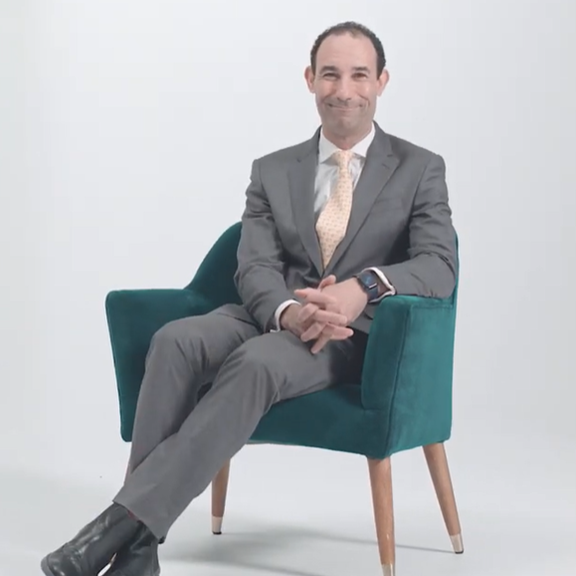
Mr Jonathan Hobson, Consultant Ear, Nose and Throat Surgeon, says tinnitus is a noise that a sufferer can hear but no one else can. Tinnitus can last for minutes or up to several weeks, and some people suffer from it permanently. Mr Hobson recommends seeing a specialist for tinnitus management and treatment if it is affecting your sleep, affecting your job and generally causing you significant problems.
What happens after your tinnitus treatment?
Your consultant will usually arrange a follow-up appointment around 6 weeks after your tinnitus assessment and treatment. They’ll review your symptoms, discuss how you’re managing, and decide whether any further support or adjustments are needed.
You’ll also be advised on ongoing management options, which may include tinnitus desensitisation therapy, hearing aids, sleep counselling, Acoustic CR® Neuromodulation (a method to ‘unlearn’ the tinnitus sound), sound enrichment or relaxation training, depending on your needs.
If your symptoms change or become more difficult before your follow-up, contact your care team for further advice.
Risks and complications
Tinnitus treatments are generally low risk; however, side effects and experiences can vary depending on the type of treatment used.
Sound-based therapies such as enrichment or Acoustic CR® Neuromodulation are usually well tolerated, although some people may find certain sounds uncomfortable at first. This can often be adjusted as part of the treatment programme.
For treatments involving hearing devices, there may be an adjustment period while you get used to wearing and using them. You may experience mild discomfort or find the sound unfamiliar at first.
Counselling and relaxation-based therapies are not physically invasive; however, they may be emotionally challenging for some people.
Contact your doctor or specialist if your symptoms worsen, if you experience new or unusual symptoms, or if treatment is not helping. Your specialist may recommend a different approach if your symptoms do not improve as expected.
Preventing and managing tinnitus
Tips to prevent tinnitus
It’s not always possible to prevent tinnitus, as some causes can’t be avoided. However, you can reduce your risk of developing noise-related hearing loss — which is a common cause of tinnitus — by protecting your ears in loud environments.
This is particularly important if you:
- Are exposed to gunfire or firearm noises
- Exercise in places where loud music is played
- Listen to audio at high volume through headphones
- Perform or work with amplified sound on stage
- Spend time at concerts, cinemas or other loud events
- Use power tools such as lawnmowers regularly
- Work in environments with machinery, vehicles or construction noise
An audiologist can advise on hearing protection and ways to reduce long-term damage if you’re exposed to loud noises often.
Ways to manage at home
Tinnitus can be easier to manage with simple changes to daily habits.
Do
- Consider support groups
- Reduce exposure to loud, constant background noise
- Relaxation techniques like breathing exercises, stretching or yoga
- Stay busy with activities and hobbies
- Support sleep hygiene with a routine and reduced caffeine intake
Don’t
- Increase headphone volume
- Sit in complete silence
- Withdraw from normal activities
Why choose Spire Healthcare?
Our tinnitus care is delivered by experienced ENT consultants and audiologists who specialise in diagnosing and managing hearing and balance conditions.
Frequently asked questions
What does tinnitus sound like?
Tinnitus is usually described as ringing, buzzing, humming, hissing or roaring sounds in the ear that are not caused by external sources. The sound can be high- or low-pitched and varies from person to person.
Is tinnitus a serious condition?
Tinnitus is not usually a sign of a serious medical condition, but it can have a significant impact on sleep, concentration and quality of life. Approximately 7 million people in the UK have experienced tinnitus at some point.
Is there a cure for tinnitus?
There is currently no cure for tinnitus. Treatment can support tinnitus relief, making symptoms easier to manage.
What causes tinnitus?
Tinnitus can be linked to hearing loss, ear infections, loud noise exposure, certain medications or the natural ageing process.
Can tinnitus get worse over time?
For some people, tinnitus stays the same, while for others it may become more noticeable, especially during periods of stress or in quiet environments.
Does tinnitus ever go away on its own?
Yes, for some people, tinnitus is temporary and may improve or disappear in days or weeks. For others, it can persist in the long-term and need ongoing management.
How long does tinnitus treatment take?
Treatment length varies depending on the therapy used and individual needs. Some approaches are ongoing, over weeks or months.
Will I need more than one type of treatment?
Depending on symptoms, some people benefit from a combination of treatments. If one approach is not effective on its own, your doctor may recommend trying a different or additional treatment.
Can tinnitus affect my hearing?
Tinnitus itself doesn’t cause hearing loss. However, it’s often linked with hearing loss or changes in hearing, which can be caused by similar underlying issues such as noise exposure or ageing.
The treatment described on this page may be adapted to meet your individual needs, so it's important to follow your healthcare professional's advice and raise any questions that you may have with them.