
Nose reshaping (rhinoplasty)
Surgery to change the shape, size or proportions of your nose.
Whether for cosmetic reasons or to improve breathing, our specialist surgeons offer expert nose job surgery to help you achieve the results you are looking for and feel more confident about your appearance.
Sometimes also called
- Nose job
At a glance
-
Typical hospital stay
1–2 nights in hospital -
Procedure duration
Up to 3 hours -
Type of anaesthetic
General anaesthetic -
Available to self-pay?
Yes -
Covered by health insurance?
Yes
Why Spire?
- Fast access to treatment when you need it
- Expert, personalised treatments
- Internationally and nationally renowned consultants
- Clear, simple pricing and flexible payment options
What is nose reshaping (rhinoplasty)?
Commonly called a nose job, rhinoplasty is surgery to change the shape, size or proportions of your nose or nostrils. It can also correct structural problems that cause breathing difficulties, such as a deviated septum.
During the procedure, your surgeon reshapes the bone and cartilage of your nose to improve its appearance, function or both. Nose reshaping surgery can either reduce or increase the size of the nose. When the aim is to make the nose smaller, the procedure is known as a reduction rhinoplasty. When the goal is to build up or enlarge certain areas, it’s called an augmentation rhinoplasty.
Rhinoplasty is one of the most common cosmetic or clinical procedures in the UK and can be tailored to each patient’s individual needs.
Why consider rhinoplasty?
People choose nose reshaping surgery for a variety of reasons. For some, it’s to alter the appearance of their nose — for example, reducing a hump, refining the tip, narrowing the bridge, or simply improving symmetry. For others, it’s to address medical concerns, such as difficulty breathing through the nose caused by internal structural issues.
In some cases, people may benefit from rhinoplasty after an injury — for instance, if the nose was bent or broken — while others simply want their nose to be in better balance with their other facial features.
Is rhinoplasty right for you?
If you’re thinking about nose reshaping, it’s natural to want to feel sure that it’s the right choice.
For cosmetic reasons, it’s usually best to wait until you’re at least 17-18, as by this stage your nose has normally finished developing. Your consultant will discuss your individual circumstances with you and help you decide if surgery is appropriate.
There are some situations where rhinoplasty may not be the best course of action. You may be advised to delay or avoid surgery if:
- You are still growing and your nose hasn’t fully developed
- You have certain medical conditions that increase the risks of surgery or affect healing
- Your expectations of the results are not realistic or achievable through surgery
Taking time to think about your decision, talking with your GP and having an open discussion with a consultant can help you feel confident about moving forward.
Benefits of nose reshaping
Rhinoplasty can offer both cosmetic and functional improvements. The procedure can enhance facial harmony while also addressing breathing difficulties, helping you feel more confident and comfortable. The main benefits include:
- Improved symmetry and proportion of the nose in relation to the rest of the face
- Reduction of a prominent hump or refinement of the nasal tip
- Narrowing or reshaping of the nasal bridge
- Correction of breathing difficulties caused by structural issues
- Restoring the appearance and function of the nose following injury or trauma
- Boosted self-confidence and satisfaction with your facial appearance
Alternative treatments to rhinoplasty
If you’re not ready for surgery or rhinoplasty isn’t suitable, there are non-surgical options, such as dermal fillers, that may help you achieve some changes to the appearance of your nose. However, results are not permanent and cannot correct breathing issues or structural problems.
In some cases, surgery inside the nose can be enough to solve issues connected to airways and breathing.
Find your nearest Spire hospital
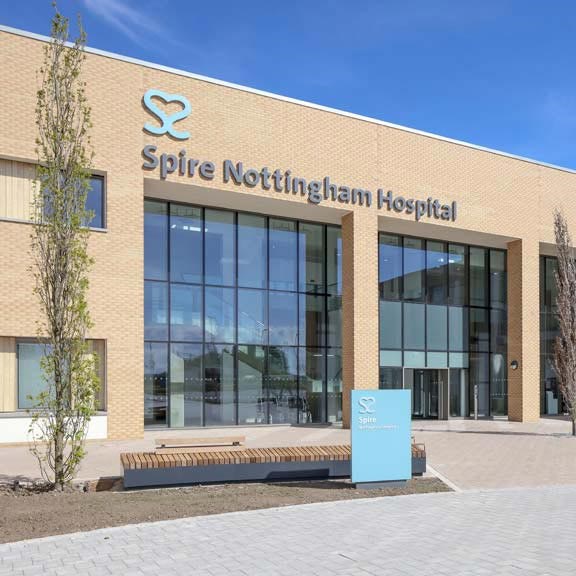
Almost all our hospitals offer private nose reshaping (rhinoplasty), with experienced consultants who specialise in this procedure.
Events
Free Mini Vascular Monthly Consultations with Mr Oluwole
Free mini consultation with Consultant Vascular and Endovascular Surgeon, Mr Akin Oluwole
Learn more
Free mini consults with Consultant Gynaecologist, Mr Georgios Theophilou
Book a free mini consult with Mr Theophilou, and get another set closer to understanding and managing your Endometriosis
Learn more
Free Online Parents Paediatric ENT Event with Consultant Mr Huw Jones
Parents, join our free online event with Mr Huw Jones to learn about tonsillitis, sleep apnoea, ear infections, hearing loss and nosebleeds
Learn more
How rhinoplasty works
Rhinoplasty is a surgical procedure that reshapes the nose by adjusting the bone, cartilage and sometimes, the soft tissues. It can be used to make the nose bigger, smaller or shaped differently.
The exact technique depends on your individual goals, whether that is refining the appearance of your nose, correcting asymmetry or improving breathing. Your surgeon will carefully plan the procedure to achieve natural-looking results while maintaining the function of your nose.
Your surgery may be a closed rhinoplasty or an open rhinoplasty. During a closed rhinoplasty, the surgery is performed entirely through your nostrils. This means that tiny cuts are made within your nostrils and are, therefore, not visible from outside.
During an open rhinoplasty, a small cut is made across the strip of skin between your nostrils (columella). Due to the location of the cut, the scar is not usually visible during face-to-face conversations.
What to expect during a rhinoplasty surgery
Before the procedure
Preparing for your rhinoplasty is an essential step towards achieving the best possible outcome. Your surgeon and care team will guide you through every step to ensure you feel informed and confident.
Consultation and medical history
You’ll have a formal consultation with your surgeon where you’ll discuss your medical history, any symptoms and any concerns you might have. This is also the time to talk about your goals for the surgery and what you hope to achieve.
Diagnostic tests
Depending on your individual case, your surgeon may recommend additional tests, such as blood tests or imaging tests to assess your suitability for surgery and plan the procedure effectively.
Lifestyle adjustments
It’s advisable to stop smoking at least 6 weeks before surgery as it can increase the risk of complications and slow the healing process. Maintaining a healthy diet and a regular exercise routine can also speed up your recovery.
Medications
Inform your surgeon about all medications and supplements you are taking. You may be advised to stop taking certain medications, such as blood thinners, before surgery to reduce the risk of bleeding.
Food and drink
If you’re having general anaesthesia, you’ll need to fast for a specified period before your surgery. Your care team will provide you with clear instructions on when to stop eating and drinking.
Consent and expectations
You’ll be asked to sign an informed consent form.
Informed consent means that you understand the procedure, its risks, the expected outcomes and any post-operative care instructions, as well as alternative options, as explained to you by your care team. Most importantly, signing this form means you agree to the procedure.
Your surgeon will also discuss realistic expectations and any potential limitations of the surgery.
Your anaesthetist (a doctor specialising in anaesthesia) will explain your options for anaesthesia and the different benefits and risks.
The procedure
Who will be involved?
Your care team will include a specialist surgeon, anaesthetist and skilled nurses. Many of our experienced surgeons belong to leading cosmetic and plastic surgery associations.
The operation
During your procedure, the surgeon may make small cuts (incisions) inside the nostrils (closed rhinoplasty) or across the small strip of tissue between the nostrils called the columella (open rhinoplasty) to access the underlying structures. Bone and cartilage are then carefully reshaped, removed, or augmented as needed.
How long does the procedure take?
Nose reshaping surgery typically lasts around 3 hours. You’ll need to stay in hospital for 1–2 nights.
Anaesthetic choices
Rhinoplasty is usually performed under general anaesthesia, which means you will be asleep during the procedure.
In some cases, for smaller adjustments, local anaesthetic with sedation may be an option. With local anaesthesia, you will remain awake but will not feel any pain. A sedative will help you relax.
Your surgeon and anaesthetist will discuss with you the most suitable approach for you.
Pain during surgery and straight after your rhinoplasty
You won’t feel any pain during the operation. After surgery, it’s normal to experience some swelling, bruising, and mild discomfort around the nose and eyes. Your care team will provide pain relief and advice to help manage any pain.
What happens after surgery
You’ll be taken into a recovery room and monitored as you come around from the anaesthetic. After your surgery, a splint will be used to protect and support your nose. Some patients may have temporary internal packing, which can make nose breathing difficult, but this is usually removed within 24 hours.
Your hospital stay
Most patients undergoing rhinoplasty stay in hospital for 1 or 2 nights, depending on the complexity of the procedure and your recovery needs. During your stay, your nursing team will monitor you closely, provide pain relief, and offer guidance on post-operative care.
Get fast access to our services with inSpire health insurance
With inSpire health insurance you'll get fast access to world-class experts at Spire Healthcare, including GPs and physiotherapists.

Recovering from rhinoplasty surgery
Recovery after a nose job is a gradual process. Follow your care teams’ advice to ensure the smoothest recovery.
Recovery time
Rhinoplasty recovery varies depending on the individual and the complexity of the procedure, but most patients can expect it to take between 2–6 weeks. Keeping your head elevated and using cold compresses can help reduce discomfort and support healing.
Short-term side effects
After surgery, it’s normal to experience swelling, bruising around the nose and eyes, mild discomfort, and some nasal congestion. Minor bleeding or a feeling of tightness in the nose may also occur. These effects usually improve over the first 2 weeks.
Wound care
Small cuts are usually inside the nostrils, so there are no visible external wounds. If an open rhinoplasty is performed, a small incision under the columella may be present and should be kept clean and dry. Your surgeon will give you clear instructions on cleaning and care. Any splints or dressings should be left in place until your follow-up appointment.
Pain relief
Mild discomfort is common after surgery but can usually be managed with prescribed painkillers and over-the-counter medications recommended by your surgeon. Ice packs and elevating your head while resting can also help reduce swelling and ease discomfort.
Smoking
Smoking can slow down the healing process and increase the risk of complications. It’s strongly advised to stop smoking before surgery and during recovery.
Driving
You should avoid driving until you feel fully comfortable and are no longer taking prescription pain medications that can make you feel drowsy.
Time off work
Depending on the type of work you do, you may need at least 2 weeks off work. Most everyday activities can be resumed within 2–3 weeks.
What you should/shouldn’t do
It’s important to attend all follow-up appointments and follow the post-operative instructions your care team gives you.
To aid recovery, keep your head elevated while sleeping and apply a cold compress as advised. Try to follow a balanced diet and make sure you take any medications as prescribed throughout your recovery.
You should avoid blowing your nose forcefully, wearing glasses that rest on your nose, or engaging in strenuous exercise too early. It’s also wise to avoid situations where your nose could be bumped or injured.
Treatment and recovery timeline
Everyone heals differently, but this is how healing typically progresses.

0–24 hours
Your nose will usually have a splint, and temporary internal packing may make nose breathing difficult. This is typically removed on day 1.
2–7 days
Swelling and bruising. Avoid blowing your nose and wearing glasses. Apply a cold compress for comfort.
2–6 weeks
Light activities can resume, with more strenuous activity after 6 weeks.
3–12 months
The nose gradually takes its final shape as any swelling and numbness resolve.
-
0–24 hours
Your nose will usually have a splint, and temporary internal packing may make nose breathing difficult. This is typically removed on day 1.
-
2–7 days
Swelling and bruising. Avoid blowing your nose and wearing glasses. Apply a cold compress for comfort.
-
2–6 weeks
Light activities can resume, with more strenuous activity after 6 weeks.
-
3–12 months
The nose gradually takes its final shape as any swelling and numbness resolve.
Risks and complications
While rhinoplasty is generally safe, it's important to be aware of potential risks:
- Bleeding — minor bleeding is normal, but rare cases may need medical attention
- Breathing difficulties — mild congestion or temporary breathing difficulties may occur during recovery
- Changes in sensation — some patients experience altered or reduced sense of smell or taste, which is typically temporary
- Cosmetic dissatisfaction — occasionally, the final appearance may not meet expectations, and revision surgery might be considered
- Damage to deeper structures — rarely, cartilage or bone may be damaged, potentially requiring revision surgery
- Infection — signs include increased redness, warmth, pus, or persistent pain at the wound site; most infections are treatable with antibiotics
- Scarring — scars are usually minimal and fade over time, but in some cases, they may become more noticeable
As with any surgery, there’s a small risk of reactions to general anaesthesia, including nausea, an allergic reaction, or, very rarely, serious complications.
Seek immediate medical attention if you experience persistent severe pain, excessive swelling or bleeding, fever, or difficulty breathing.
Choosing a consultant surgeon
Choosing the right surgeon is one of the most important decisions you’ll make when considering a nose job. A skilled and experienced consultant can guide you through the procedure, help set realistic expectations and most importantly, ensure your surgery is safe and effective.
Before your operation, it’s crucial to ask questions and make sure you fully understand the process, potential outcomes and any risks involved. For example, you might ask about the surgeon’s experience with similar procedures, their approach to achieving natural results, whether they’re a member of any professional associations and what recovery might look like. They may be able to provide nose job photos before and after the procedure.
At Spire Healthcare, all our rhinoplasty surgeons are highly experienced, consultant-grade specialists who are registered with the General Medical Council (GMC). Many also belong to leading UK cosmetic and plastic surgery organisations. This combination of expertise, training, and professional recognition ensures that you will receive appropriate support and care from consultation through to recovery.
Frequently asked questions
How long does rhinoplasty surgery take?
Most nose jobs take around 2–3 hours, depending on the complexity of the surgery.
Will I need to stay in the hospital?
Yes, most patients stay for 1–2 nights.
When can I return to normal activities?
Nose job recovery time varies depending on the individual and the complexity of the procedure. Typically, light activities can usually resume after 2 weeks. Strenuous exercise and contact sports should be avoided for at least 6 weeks.
How long does it take to see the final results?
Swelling gradually subsides over several months, with the final shape of your nose visible around 12 months of surgery.
Can rhinoplasty correct a previous injury?
Yes, rhinoplasty can be used to repair the shape of the nose after an injury, as well as improve breathing issues caused by trauma.
Will there be scars?
Most cuts are inside the nostrils and are not visible. In open rhinoplasty, a small incision under the columella may leave a minimal, well-hidden scar.
Is rhinoplasty surgery painful?
Some mild discomfort, swelling, and bruising are normal, but these can be managed effectively with prescribed pain relief and care at home.
How old do you have to be to get a nose job?
Cosmetic rhinoplasty is usually recommended for patients aged 17-18 and over, once the nose has fully developed.
Will my breathing be affected after surgery?
Temporary congestion is common, but most patients find breathing improves as swelling subsides. Any persistent breathing difficulties should be discussed with your surgeon.
Are the results guaranteed?
Every patient heals differently, so while surgeons aim for the best possible outcome, exact results cannot be guaranteed. Occasionally, revision surgery may be needed.
How long should I wait before wearing glasses?
Avoid resting glasses on your nose for at least 6 weeks after surgery to prevent pressure on the healing nasal bones.
The treatment described on this page may be adapted to meet your individual needs, so it's important to follow your healthcare professional's advice and raise any questions that you may have with them.