Please try again later
In the UK, it is thought that around 1 child in every 20 has ADHD.
ADHD is a neurodevelopmental condition that affects the part of the brain that is involved in executive function
Up to one in 10 children have sleep-disordered breathing.
In children and adults alike, the muscles at the back of the throat relax when we sleep.
Epilepsy is a condition that causes abnormal electrical activity in the brain, which increases the likelihood of recurrent seizures.
Ringworm is a skin infection that is caused by over 40 different fungi.
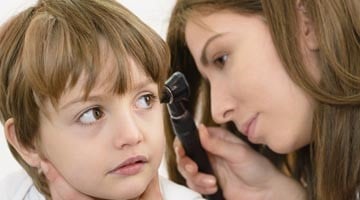
All healthy ears produce earwax. It’s your body’s way of cleaning out your ears.
Cerebral palsy affects the nervous system and muscles and is caused by damage to the brain or abnormal brain development.
Grommet insertion is a surgical procedure used to treat persistent glue ear.
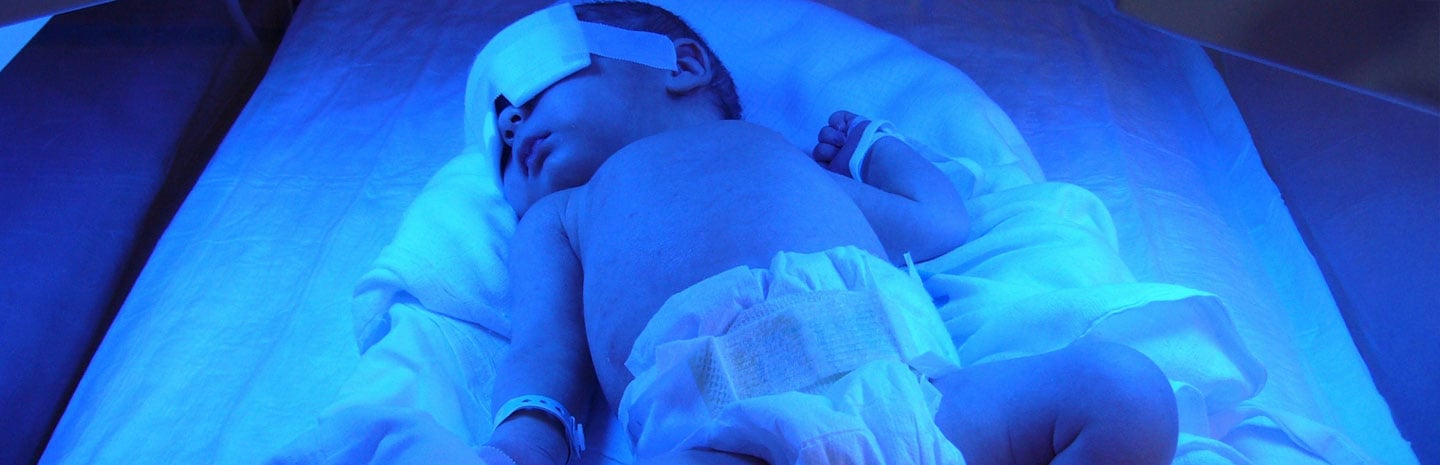
Jaundice is a very common condition in babies, affecting around six in 10 newborns.
Hearing loss is usually associated with getting older, but it can happen at any age, including during childhood.
Around 50,000 children in the UK are deaf and in around 90% of cases, they are born to hearing parents.
Primary bone cancer, also known as bone sarcoma, is a rare type of cancer that develops in bone tissue.
Around one in every 1,000 children in the UK has juvenile idiopathic arthritis (JIA). This type of arthritis first occurs in those aged under 16.
Around one in 10 babies born in the UK will have tongue-tie, also known as ankyloglossia.
Tonsillitis is common in children and usually gets better on its own.
Knee pain in adolescents is an increasingly common condition, especially in those who play sports.
Asthma is a lifelong respiratory condition that affects your airways, specifically the branches that come off your central windpipe.
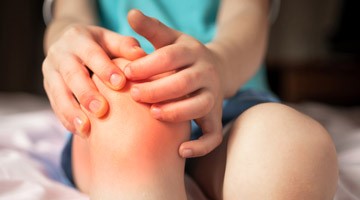
Joint pain in children is very common and is often nothing to be concerned about.
Bronchiectasis in children is a long-term condition where the airways become swollen and widened.
All children experience acute coughs as they grow up as they catch colds and other viral infections.
Around 7 in 10 children will develop glue ear at some point, in most cases, after having a cold.