Filter by
Lactose intolerance refers to an inability to digest and absorb lactose in your food and drinks.
Your gut is home to hundreds of microorganisms ie bacteria, viruses and fungi.
IBS or irritable bowel syndrome is a common condition affecting the gut.
Diarrhoea broadly refers to passing stools more often than usual and stools that are looser than what is normal for you.
The digestive system breaks down the food you eat, allowing your body to absorb the energy and nutrients it contains.
IBS or irritable bowel syndrome is a common, chronic (long-term) condition that affects your large intestine.
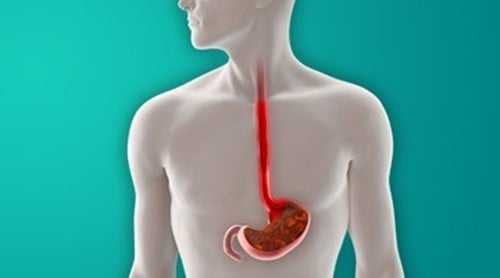
Acid reflux occurs when acid in your stomach flows back into the lower or middle part of your gullet (oesophagus).
Burping refers to the release of excess gas through the mouth. It happens because every time we talk or swallow, we are swallowing air.
Around 40% of the UK population experiences indigestion every year.
Bowel cancer is one of the most common cancers worldwide and affects around one in 20 women and one in 17 men in the UK.
Constipation is a common bowel condition, with around one in seven adults in the UK experiencing constipation at any given time.
Most often, the causes for changes in bowel habits are not serious, though they may still need treatment.
Most people experience indigestion, also known as dyspepsia, at some point in their life.
A gastroscopy is an investigation of the first part of your digestive system.
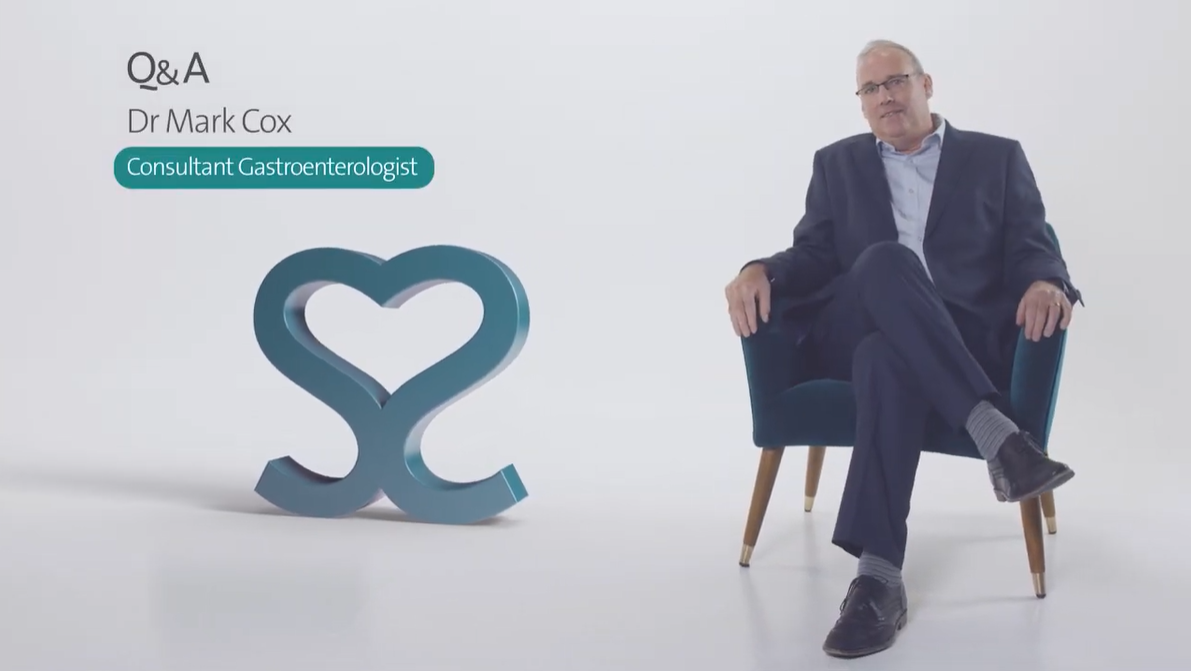
Dr Mark Cox, Consultant Gastroenterologist, explains when you should be concerned with a change in bowel habits.
Abdominal pain occurs as a result of a broad range of conditions but can be divided into two main categories.
Acid reflux is a common condition that everyone experiences at some point.
Over half a million people in the UK have inflammatory bowel disease, most often either ulcerative colitis or Crohn’s disease.
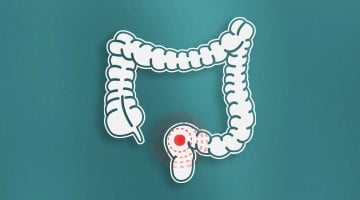
Bowel cancer is the fourth most common cancer in the UK and in most cases affects the large bowel (colon).
A colonoscopy involves passing a thin, flexible, tube-like telescope (colonoscope) into your colon via your back passage (rectum).
Inflammatory bowel disease refers to a group of conditions that cause the lining of your bowel to become inflamed and develop ulcers.