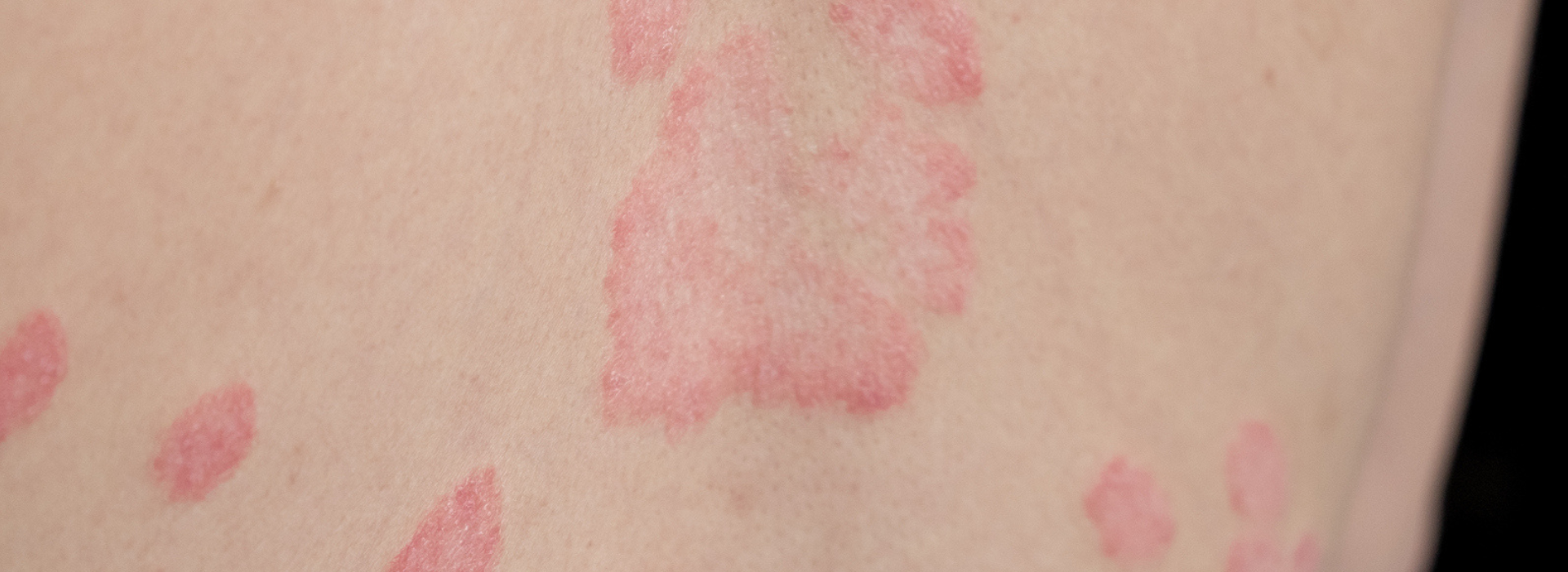

Up to 1.8 million people in the UK have a chronic (long-term) condition called psoriasis. It mainly affects the skin, but can also affect the joints. Living with psoriasis can be challenging and can affect your mental health, leading to anxiety and depression.
Understanding how you can better manage your psoriasis at home can help both your physical symptoms and your mental wellbeing.
Here, we’ll explore ways to relieve your symptoms during flare-ups ie the times when your symptoms worsen.
What is psoriasis?
Psoriasis is a type of immune-mediated inflammatory disease (IMID). It’s a skin condition caused by an overactive immune system, which leads to inflammation of the skin.
Psoriasis affects the skin cycle. This is when old skin cells are replaced by new skin cells to replenish your skin.
In healthy skin, this process takes around 1 month. New skin cells gradually move from deep inside the skin to the outermost layer, maturing as they move upwards through the layers of skin.
In psoriasis, this process takes just a few days. An overactive immune system causes new skin cells to be made too often. These cells travel too quickly to the outermost layer of your skin and don’t have time to fully mature. New skin cells pile up, causing dry, scaly patches of skin called plaques.
There are different types of psoriasis. The 2 most common types of chronic psoriasis are plaque psoriasis and flexural or inverse psoriasis.
Plaque psoriasis usually affects your scalp, lower back, elbows and knees on both sides of your body. Inverse psoriasis usually affects the creases in your skin, such as in your groin and armpits, between your buttocks and under your breasts.
What are psoriasis flare-ups?
A psoriasis flare-up is a period of time when your symptoms are worse. Flare-ups can last weeks or months before symptoms improve.
During a flare-up, patches of dry, scaly skin can grow in size and number. On white skin, these patches usually appear red, while on darker skin tones, these patches usually appear grey. Your skin may feel more sore and itchy during a flare-up.
Psoriasis can also affect the joints. This is called psoriatic arthritis. During a flare-up, joint symptoms can worsen. Your joints may become more painful, stiff and swollen.
Psoriasis can cause fatigue. During a flare-up, you may feel more tired than usual.
What causes psoriasis flare-ups?
Flare-ups can be caused by a range of lifestyle and environmental factors, including:
- An infection
- An injury to your skin
- Dry weather
- Increased stress
- Lower levels of sunlight in autumn and winter
For some people, excess alcohol and certain foods also increase the chances of a flare-up.
Treating psoriasis
If you have psoriasis, your GP can prescribe a range of psoriasis treatments. They usually start with topical treatments, which are treatments applied directly to the skin. This includes:
- Clinically-approved moisturisers to reduce skin dryness
- Corticosteroid creams to help reduce skin inflammation
- Vitamin D3 creams to help slow down the production of new skin cells
If these are not effective, they may prescribe coal tar preparations, which reduce skin inflammation, slow down new skin cell production and help loosen plaques.
If topical treatments aren’t enough to manage your symptoms, they may recommend phototherapy, oral medications and, in severe cases, injections of medications called biologics.
It is important to follow the instructions provided by your care team about any medications you are taking to reduce your symptoms. When you’re going through a flare-up, you can also follow these 10 tips to help relieve your symptoms:
Skin treatments
Our consultant dermatologists provide diagnosis and treatment for a range of skin problems such as skin cancer, eczema and psoriasis.
10 ways to reduce your flare-up symptoms
1. Follow skin-friendly hygiene practices
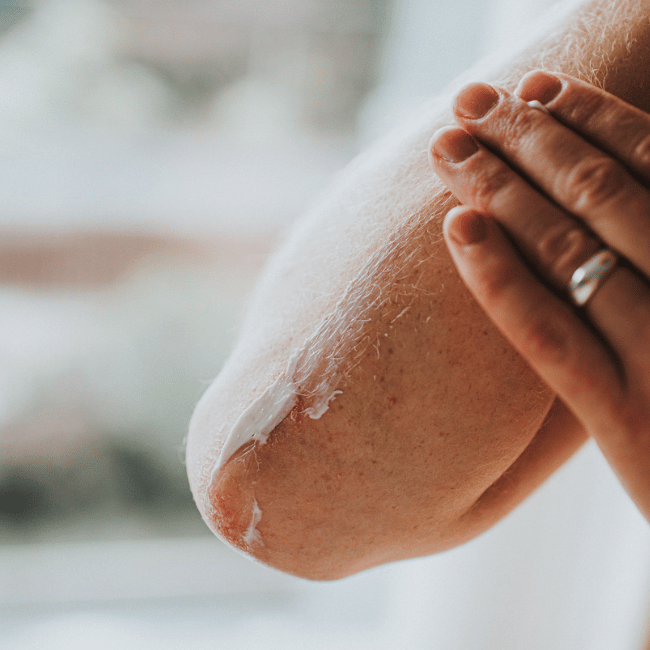
Make sure you moisturise your skin within 5 minutes of washing any part of your body.
Wet skin dries out very quickly. However, you can trap some of the water absorbed while washing your skin by moisturising promptly. Try using a moisturiser that contains an emollient, occlusive or both.
Emollients soften and smooth your skin by filling in gaps between cells, while occlusives create a water-resistant barrier to prevent water loss from your skin.
You can speak to your GP about specific emollients and occlusives that may be helpful.
2. Moisturise regularly
While it’s important to moisturise every time you wash any part of your body, you should also moisturise whenever your skin feels particularly dry or irritated.
Keep a bottle of moisturiser with you when you’re out so you can top up your skin with moisturiser whenever you need. When you’re home, you may want to keep your moisturiser in the fridge for a soothing, cooling effect when you apply it.
3. Soothe your skin with colloidal oatmeal
Colloidal oatmeal means oatmeal that’s so finely ground it can dissolve in water. Its benefits for psoriasis don’t come from eating it, but from applying it to your skin.
It can help soothe skin affected by psoriasis as it naturally contains anti-inflammatory substances. You can use colloidal oatmeal creams and lotions, or colloidal oatmeal powder that you can dissolve in water and bathe in.
4. Avoid skin irritants
Many skin products, including moisturisers, contain substances that can irritate skin affected by psoriasis.
Avoid using skin products that contain:
- Alcohol
- Essential oils
- Fragrances, including natural fragrances
- Parabens
- Suphates
5. Wear sunblock
Sunburn dries out and damages your skin. This makes flare-ups more likely. Sunburn can also worsen flare-up symptoms, so it’s important to wear a sunscreen that’s at least SPF30 when you go out.
Try to avoid being outside when the sun is at its most intense, and cover your skin by wearing loose clothing made from natural fibres.
6. Track and avoid potential triggers in your diet
The link between diet and psoriasis flare-ups is not definitive. However, some people find certain foods can trigger or worsen flare-ups. Keeping a food diary can help you identify potential food triggers to avoid.
7. Reduce how much alcohol you drink
Drinking excessive amounts of alcohol can worsen psoriasis symptoms. This is because alcohol dehydrates your body, including your skin.
It’s also important to note that drinking alcohol while taking certain oral medications for psoriasis is not safe. Make sure you speak to your doctor about whether or not you can drink while taking your psoriasis medications.
8. Don’t smoke
Smoking is linked to more severe psoriasis symptoms. If you smoke, stopping can help reduce the severity of your symptoms and how often you have flare-ups.
Quitting smoking also has many general health benefits, including protecting your heart health and reducing your cancer risk.
9. Use a humidifier in dry months
In autumn and winter months, the use of indoor heating can dry out the air inside. During the hot summer months, the air outside may be dry, and it can become dry indoors as well due to air conditioning.
Dry air can trigger a flare-up and make flare-up symptoms worse. Using a humidifier can help keep the air moist and, consequently, help soothe your skin.
10. Manage your stress levels
Stress is a common trigger of flare-ups, and ongoing stress can make flare-ups more severe and last longer.
While it’s not always possible to avoid stressful situations, you can help manage your stress levels through mindfulness, breathing exercises, or simply finding time to take part in activities that relax you.
Following a healthy, balanced diet and having bedtime routines to improve your sleep quality can also help.
