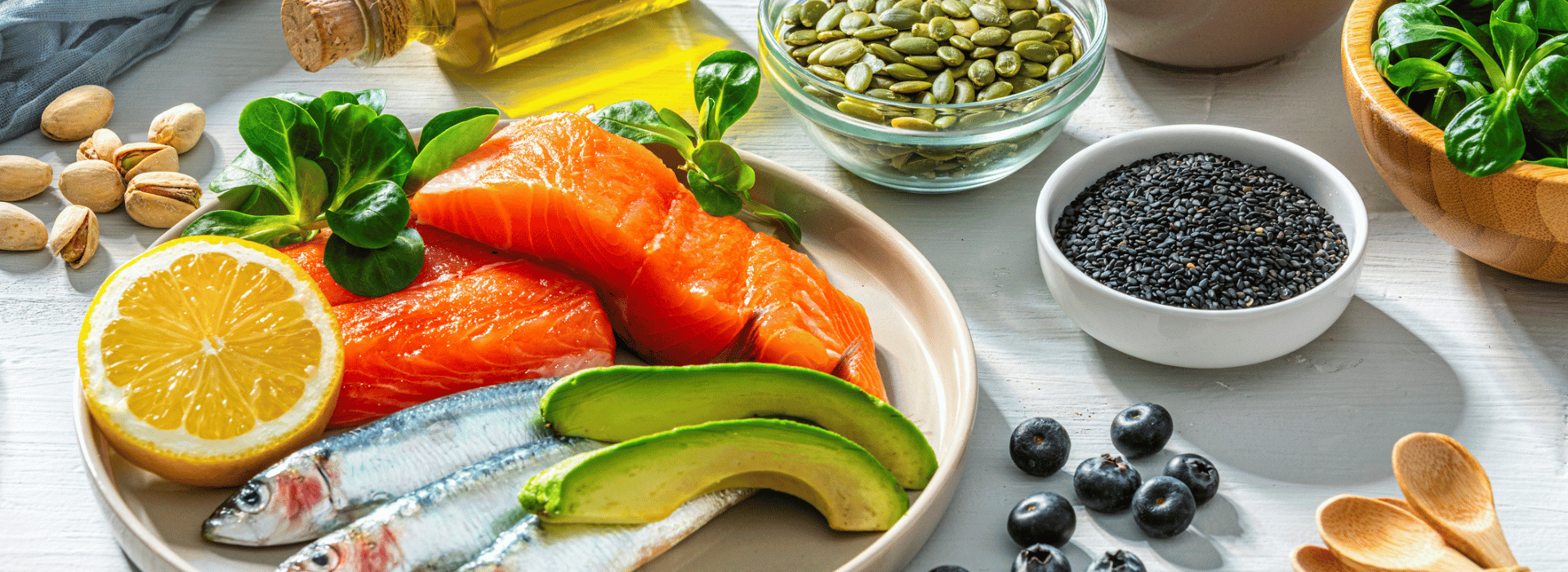

Vitamin D is an essential vitamin that supports different aspects of your health, including your bones, teeth, muscles and nerves. However, 1 in 6 adults in the UK has a vitamin D deficiency.
Here, we will explore how you can increase your vitamin D levels through your diet.
Why is vitamin D important?
Vitamin D helps your gut absorb calcium and phosphate from the food you eat. Calcium and phosphate are needed for healthy bones, teeth, muscles and nerves. Vitamin D also supports your immune system, promotes hair growth and helps regulate your sleep and mood.
Adults and children aged 1 and over need 10 𝛍g of vitamin D every day, while babies up to age 1 need 8.5–10 𝛍g every day.
If you don’t get enough vitamin D every day, over time, you can develop a vitamin D deficiency. This affects multiple aspects of your health, causing fatigue, muscle weakness, muscle cramps, bone pain and low mood, among other symptoms.
How to get enough vitamin D
Your body makes most of the vitamin D you need when your skin is exposed to the UV rays in sunshine. During autumn and winter months, when daylight hours are shorter, your skin is exposed to less sunshine and your vitamin D levels drop. During these months, the NHS recommends that you take a daily supplement of 10 𝛍g of vitamin D.
However, you can additionally boost your vitamin D levels naturally through your diet. On average, with a balanced diet, you can get around 2–3 𝛍g of vitamin D from your food.
Intentionally including foods rich in vitamin D in your meals can help you boost your vitamin D levels.
5 types of food that are rich in vitamin D
1. Oily fish
Oily fish are a healthy source of vitamin D as they also contain omega-3 fatty acids, which help protect your heart health.
Herring, salmon — particularly wild-caught salmon — and mackerel are especially high in vitamin D.
A single portion of cooked fish is around 140 grams. On average, for a single cooked portion, herring contains around 22 𝛍g of vitamin D, salmon contains around 13 𝛍g of vitamin D, and mackerel contains 12 𝛍g of vitamin D.
2. Egg yolks
A single egg yolk contains, on average, 1.7 𝛍g of vitamin D, which is almost a fifth of your daily vitamin D requirement. Eggs are low in saturated fat, which means most people can safely have up to one egg per day without increasing their risk of heart disease.
3. Liver
Cooked lamb liver contains, on average, 1 𝛍g of vitamin D per 100 grams. However, lamb liver is also very high in vitamin A, which means it’s not safe for pregnant women to eat. This is because very high levels of vitamin A can cause birth defects.
4. Mushrooms grown in UV light
Mushrooms that are grown in UV light produce vitamin D in a similar way to how vitamin D is made by your skin when exposed to sunlight.
In the supermarket, these UV-grown mushrooms are labelled as ‘high in vitamin D’. When eaten by the ‘best before’ date, these mushrooms contain around 10 𝛍g of vitamin D per 100 grams.
5. Fortified foods
Certain foods have had vitamin D added to them. These are called fortified foods and include some plant milks, fruit yoghurts, fruit juices and breakfast cereals. Levels vary across these foods, so it’s helpful to check their labels for nutritional information.
What about red meat?
Red meat contains, on average, 1 𝛍g of vitamin D per 100 grams. However, red meat is also high in saturated fat, which increases your risk of heart disease.
The way red meat is processed and preserved also means that eating excessive amounts increases your risk of bowel cancer. This is why the NHS recommends that you don’t eat more than 70 grams per day.
To avoid the health risks that come with eating too much red meat, focusing on healthier alternatives to naturally increase your vitamin D levels is recommended.
Concerned that your vitamin D levels are low?
If you think your vitamin D levels are too low, Spire Healthcare can help you get the clarity you need with a simple blood test for vitamin D.
What does the blood test measure?
This blood test measures levels of a precursor for vitamin D (25-hydroxyvitamin D) ie levels of the substance that is used to make vitamin D. It does not measure levels of active vitamin D in your blood.
This is because active vitamin D breaks down quickly in the blood — around half of active vitamin D in your blood is broken down within 4–6 hours. In contrast, 25-hydroxyvitamin D levels are stable for weeks.
Measuring 25-hydroxyvitamin D, therefore, gives your doctor a more accurate picture of your vitamin D reserves.
Do you need a vitamin D blood test?
You can find out if you need a vitamin D blood test by speaking with one of our experienced GPs.
During your consultation, they will ask about your concerns, medical history and any symptoms. Based on this information, they will determine whether a vitamin D blood test would be helpful and can arrange for you to have your test with Spire Healthcare.
