

Heart treatments
At Spire Bristol Hospital, we offer diagnosis and specialist treatment for a wide range of heart and circulatory conditions.
Related specialties
- Cardiac surgery
- Cardiothoracic surgery
- Cardiology
- Stroke and TIA
Why Spire?
- Fast access to treatments, tests and scans
- Consultants who are experts in their field
- Clear pricing with no hidden charges
The heart is the engine of our bodies, pumping nutrient and oxygen rich blood to every cell. But the constant demand we make on it can take its toll and lead to disease.
We offer fast access to a wide range of procedures from:
- tests and scans to help investigate and diagnose illness
- to treatments and surgery for more complex heart-related conditions
Whether it is chest pain concerns, high blood pressure, arrhythmia or heart disease, our dedicated, specialist cardiology teams are here to help keep your heart running as it should.
Your heart is in our hands and to us, there is no greater trust. Making a positive difference to our patients’ lives through outstanding personalised care is at the heart of everything we do.
Select from our range of available heart treatments
- Ablation of arrhythmia
- Blood tests for heart disease risk (cardiac testing)
- Cardiac catheterisation
- Cardiac CT scan (heart CT)
- Cardiac electrophysiology
- Cardiac MRI scan (heart MRI)
- Cardioversion
- Cholesterol level test
- Contrast echocardiogram
- Coronary angioplasty
- Coronary artery bypass surgery (heart bypass)
- Electrocardiogram (ECG)
- Exercise ECG
- Heart valve replacement
- Pacemaker implantation
- PFO (hole in the heart) closure
- Transoesophageal echocardiogram
- Transcatheter Aortic Valve Insertion (TAVI)
Introducing a breakthrough in heart valve disease treatment
We are proud to announce that Spire Bristol Hospital now offers Transcatheter Mitral Valve Replacement (TMVr) a minimally invasive structural heart disease treatment to replace a damaged mitral valve without open-heart surgery for eligible patients.
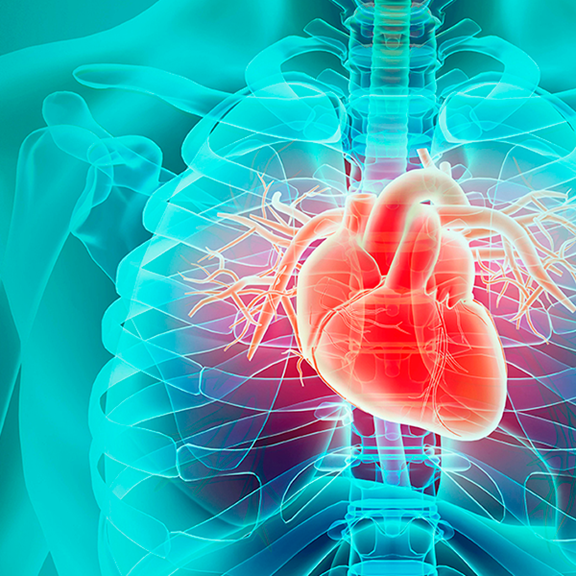
Is heart surgery and treatment for you?
Heart problems can affect anyone at almost any age. They can be caused by a natural defect, genes or an unhealthy lifestyle. For many people, heart surgery provides relief from symptoms such as breathlessness and a lack of energy – giving them the chance to enjoy a fuller life.
We provide the highest quality specialist care – from the first moment you are in touch with us through to the completion of your treatment and aftercare. Whether you use private medical insurance or you’re paying for treatment yourself, we provide expert care every step of the way.
Find a consultant at Spire Bristol Hospital
Get in touch
Important information about COVID-19 tests
COVID-19 testing or antibody tests are not available as a standalone service at Spire Bristol Hospital.
Featured articles

Heart disease: everything you need to know
According to the British Heart Foundation, heart and circulatory diseases cause more than a quarter of all deaths in the UK.
Read more
High blood pressure: causes and symptoms explained
Many people don’t realise that they have high blood pressure, despite around a third of adults in the UK having it.
Read more
Chest pain and cardiovascular problems: when to seek help
Having chest pain can be worrying, and it can be hard to know when to seek help.
Read more