““Spire Cheshire and Dr Ruzsics have helped me enormously, and I’m incredibly grateful.””
Close
Tell us what you think
We welcome your views on our website and invite you to take part in a brief survey when you've finished your visit.
Your response will help us improve the site and the experience we offer to visitors.

Get in touch
Contact us

Cheshire Hospital
Testimonials
What our patients have to say
Patient Story
Ken Lawton
Read the full story
Patient Story
“"I have never previously met such an intelligent, knowledgeable and caring consultant in my life. "”
Michael Richards
Read the full story
Patient Story
“‘It’s very easy to ignore key symptoms’”
Sarah Smith
Read the full story
Patient Story
“To go for a hip replacement procedure takes a massive leap of faith – but one that I am so glad I took when I did.”
John Brazel
Read the full story
Statement
“I recently had an upper GI endoscopy at Spire Cheshire Hospital. The hospital had a very relaxed atmosphere and all the staff were lovely and attentive. My whole experience, from consultation to treatment has been fabulous.”
Ms V Cope
Statement
“Miss Seema Prasad, Consultant Orthopaedic Surgeon, was lovely and made me feel at ease. All the staff were friendly, attentive and couldn't do enough to help with every aspect of my treatment.”
Ms R Sanson
Statement
“From going through the front door my stay, treatment and care were excellent. I was looked after by many members of staff all in different roles and everyone had a very caring and professional attitude which made my stay at Spire Cheshire a good one.”
Ms C Hodgson
Statement
“My son has autism and needed two cysts removing from his neck. From start to finish I can't begin to say how wonderful all the staff have been who have been involved in my son's care. They looked after him and all went the extra mile to make him feel safe and relaxed about the procedure he was having. I can't say thank you enough!”
Ms J Barker
Testimonial
Read more
“"I would recommend Spire Cheshire Hospital to anyone"”
Mrs Kanczes-Daly
Patient Story
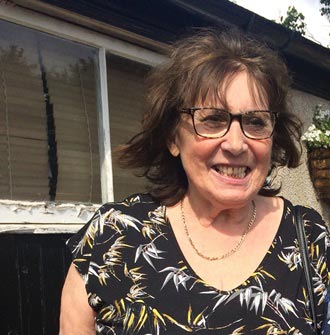
Neighbour points way to pain-free knees for Christine
“"Life is too short to be in pain when you can actually do something about it."”