

The sooner you’re better, the better
Spire Bristol Hospital
See an expert in as little as 48 hours

The sooner you’re better, the better
Spire Bristol Hospital is the largest private hospital in the South West, offering fast access to a broad range of treatments and services including complex surgery and a Children and Young People's Service. Our high-quality accommodation and aftercare means we’re committed to looking after you and your health.

How can we help?
Search or browse by treatments, consultants or events to see what Spire can do for you.
Treatments
Looking for a specific treatment or procedure?

Consultants
You can expect outstanding care from our expert consultants and dedicated nurses.

Events
We have a regular programme of events happening in and around our hospital.

Information for patients of Anthony Dixon
If you were a patient of Mr Dixon and are concerned about the treatment you received, you can call the patient helpline on 0800 783 8163 between 8.30am to 7pm Monday to Thursday, 8.30am to 6pm Friday and 9am to 3pm Saturday or email bristolhosphelpline@spirehealthcare.com.
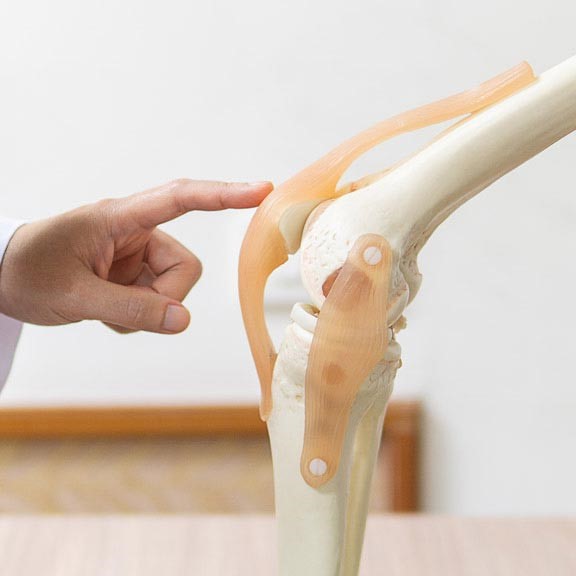
Bones and joints
Through surgery or less invasive procedures like physiotherapy, our team of orthopaedic specialists may be able to help ease the pain in your bones and joints to get you back to living the life you love.
General surgery
Common surgical procedures carried out by our consultant general surgeons.
Heart treatments
Your heart is in our hands. There is no greater trust and we take caring for it very seriously.
Children's services
Specialist clinical care tailored for infants, children and adolescents.



How to get to us
Based in scenic surroundings at the foot of Durdham Down, we can be easily accessed by either the M4 or M5 motorways, or by Temple Meads or Parkway train stations.
Spire Bristol Hospital,
Redland Hill
Durdham Down
Bristol
BS6 6UT
Travel instructions
From M5 Junction 17
Follow the A4018 for Bristol West and Bristol Zoo for approximately four miles. With the Downs and water tower on the right, you will come to a roundabout on this road. Take the left hand turn into Redland Hill and immediately turn left into Spire Bristol Hospital.
From M4 Junction 19
Follow the M32 leading into Bristol. Take the M32 into the city centre and then follow the signs for Clifton and the A4018. At the top of Whiteladies Road, bear right for Redland to find the hospital.
By train
Take the train to either Bristol Parkway or Bristol Temple Meads stations. Bristol Parkway station is approximately four miles from Spire Bristol Hospital (20-30 minutes by taxi) on the outskirts of Bristol. Temple Meads station is close to the city centre and only 10-15 minutes from Spire Bristol Hospital by taxi.
Parking
We have 100 free car parking spaces.
what3words
///expert.boxing.shift
Contact details
Self-pay treatment enquiries
0117 980 4080
PMI treatment enquiries
0117 980 4070
Scans and diagnostics
0117 980 4010
Physiotherapy and sports injuries
0117 980 4022
Invoice and payment queries
0118 975 4118 or email us
Hospital Director
Ann Hyde
We record calls to help improve our service. To learn more about how we use your information, read our privacy policy.
Patient reviews
Healthcare professionals
A guide for GPs and other healthcare professionals to the services and specialties we offer at Spire Bristol.
Information for patients of John Hutchinson
If you were a patient of Mr Hutchinson and are concerned about the treatment you received, you can call the patient helpline on 0800 783 8163 between 8.30am to 7pm Monday to Thursday, 8.30am to 6pm Friday and 9am to 3pm Saturday or email bristolhosphelpline@spirehealthcare.com.