

The sooner you’re better, the better
Spire Alexandra Hospital
See an expert in as little as 48 hours

The sooner you’re better, the better
Spire Alexandra Hospital offers world-class care and is part of one of the UK’s most respected private hospital groups. With a full multidisciplinary medical team, we are specialists in a wide range of treatments. You can get fast access to expert healthcare, from consultations and diagnosis to treatment and aftercare.

How can we help?
Search or browse by treatments or consultants to see what Spire can do for you.
Treatments
Looking for a specific treatment or procedure?

Consultants
You can expect outstanding care from our expert consultants and dedicated nurses.

Events
We have a regular programme of events happening in and around our hospital.

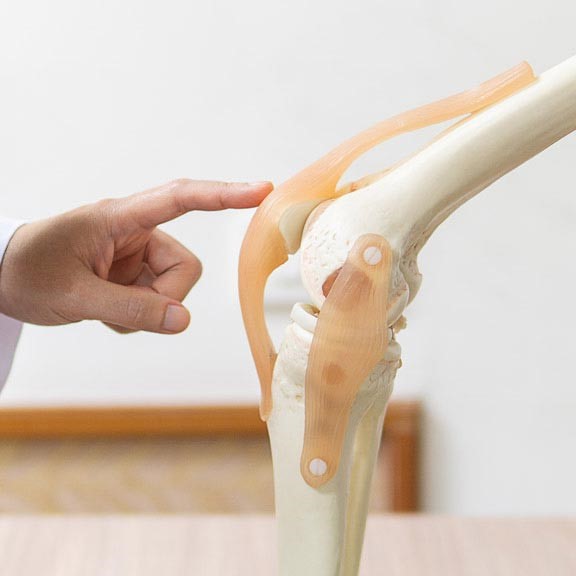
Bones and joints
Through surgery or less invasive procedures like physiotherapy, our team of orthopaedic specialists may be able to help ease the pain in your bones and joints to get you back to living the life you love.
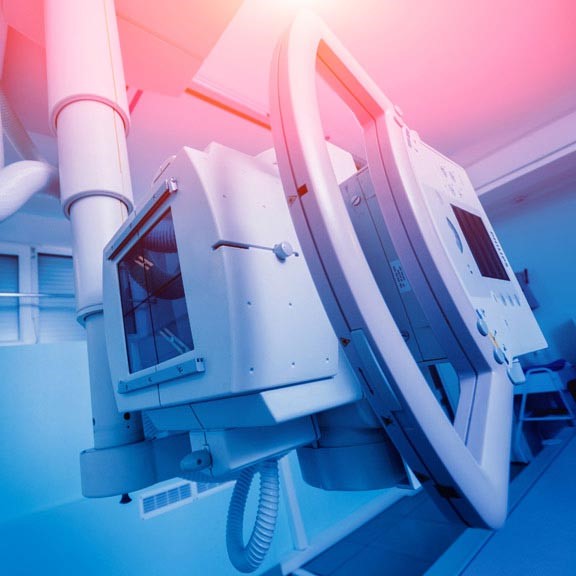
Scans and investigations
Our range of scans and investigations can shed light on your health.


How to get to us
You'll find us approximately eight miles from Maidstone and five miles from Chatham. London Gatwick Airport is approximately 45 miles away.
We offer services to patients throughout the South East of England and Kent, particularly Medway and the surrounding areas including Rochester, Chatham, Gillingham, Rainham, Sittingbourne, Sheppey and Maidstone.
Spire Alexandra Hospital,
Impton Lane
Walderslade
Chatham
ME5 9PG
Travel instructions
By car
From M20 Junction 6
Follow signs for the A229 to Chatham. Stay on the A229 for little over a mile and take the exit signposted 'M2 London and Canterbury'. Turn right at the top of the slip road and then follow the signs for Walderslade and Lordswood, going over the M2 motorway. At the T-junction turn right, following signs for Lordswood and continue straight over the next roundabout. Take the third turning on the left into Impton Lane, then the first left into Orbit Close and the hospital entrance is on the left.
From M2 Junction 3
Follow the signs to Walderslade. At the T-junction turn right following signs for Lordswood and continue straight over the next roundabout. Take the third turning on the left into Impton Lane, then the first left into Orbit Close and the hospital is on the left.
By public transport
The nearest railway station is Chatham, a 10 minute taxi journey away. The hospital is also well served by buses, with the 169 and 179 buses stopping outside the hospital.
what3words
///windows.fruits.tweaked
Contact details
Self-pay treatment enquiries
01634 662 866
PMI treatment enquiries
01634 662 822
Scans and diagnostics
01634 662 863
Physiotherapy and sports injuries
01634 662 861
Invoice and payment queries
0118 975 4118 or email us
Hospital Director
Lee Aldridge
Director of Clinical Services
Berni Bishop
We record calls to help improve our service. To learn more about how we use your information, read our privacy policy.
Patient reviews
Rafaelo procedure
Rafaelo procedure at Spire Alexandra is a virtually painless way to treat haemorrhoids - perfect for those with busy lives.
Spire Alexandra Imaging Centre
Quick and easy access to imaging and diagnostic services when you need them.
Healthcare professionals
A guide for GPs and other healthcare professionals to the services and specialties we offer.