

Bones and joints
At Spire Southampton Hospital we are experienced in the management and treatment of bone, muscle and joint conditions, as well as physiotherapy to relieve pain and improve mobility.
Related specialties
- Orthopaedics
- Pain management
- Physiotherapy
- Podiatry
- Rheumatology
- Sports and exercise medicine
Why Spire?
- Fast access to treatments, tests and scans
- Internationally and nationally renowned consultants
- Clear, inclusive pricing
Bone and joint conditions
Bone and joint problems can be caused by a variety of medical conditions. Arthritis is a common source of joint pain and stiffness, particularly osteoarthritis and rheumatoid arthritis. Other causes include joint, muscle and ligament disorders or sports injuries.
With fast access to consultations and diagnostic tests and scans, we can provide expert advice to help you make the right decision about your care.
From surgical procedures to non-invasive methods, we offer an extensive range of treatments to help you get back to doing what you love.
Select from our range of available bones and joints treatments
- Back pain investigations (discography)
- Back surgery (spinal surgery)
- Balloon kyphoplasty
- Carpal tunnel syndrome surgery
- Hip arthroscopy
- Hip replacement surgery
- Joint manipulation treatment
- Joint pain treatment (joint injections)
- Knee arthroscopy surgery
- Knee ligament surgery
- Knee replacement
- Pain management injections for back and facet joints
- Rotator cuff repair
- Shoulder arthroscopy
- Shoulder replacement surgery
- Trigger finger release
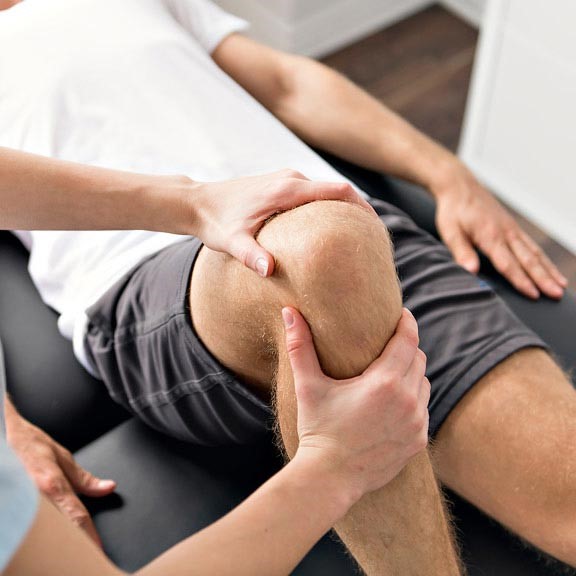
Spire Perform Physiotherapy
Accelerated recovery at our elite physiotherapy and rehabilitation centre.
Find a consultant at Spire Southampton Hospital
Get in touch
Important information about Covid-19 tests
COVID-19 testing or antibody tests are not available as a standalone service at Spire Southampton Hospital.