
The pain of toothache can leave us in agony and misery, sometimes unable to function. Arriving after we reach adulthood, our wisdom teeth (or third molars) can cause a range of dental problems. They can be obstructed by our other 28 adult teeth and emerge at an angle or get stuck and only partially come through.
Food and bacteria can get trapped around the edges of such teeth and cause on-going problems such as tooth decay (caries) and gum disease - despite regular brushing and flossing. Removing some or all of the wisdom teeth can be a long term solution.
Why you might need it
Our wisdom teeth typically emerge in our late teens or early 20s. Some people never develop them while others have up to four – one in each back corner of the mouth.
Wisdom teeth usually cause no problems, but if there isn’t enough space for them to grow and they become 'impacted', they can cause pain, swelling, infection or damage to other teeth.
With food and bacteria more likely to get trapped around the edges of impacted wisdom teeth, plaque can build up and cause short and long-term dental problems - no matter how good you are at cleaning and flossing. These can include:
- tooth decay
- gum disease
- pericoronitis - inflammation of the gum around wisdom teeth
- cellulitis - a bacterial infection in the cheek, tongue or throat
- abscess - when a bacterial infection causes pus to collect in your wisdom teeth or the surrounding tissue
If treatments such as antibiotics and antiseptic mouthwash haven't worked for any of these problems, or you are regularly affected by pain and discomfort, removing one or more of the wisdom teeth can provide a long-term solution.
The procedure usually takes up to 20 minutes and the affected area will be numb following a local anaesthetic. A few people prefer a general anaesthetic - which means you'll be asleep while the tooth or teeth are extracted.
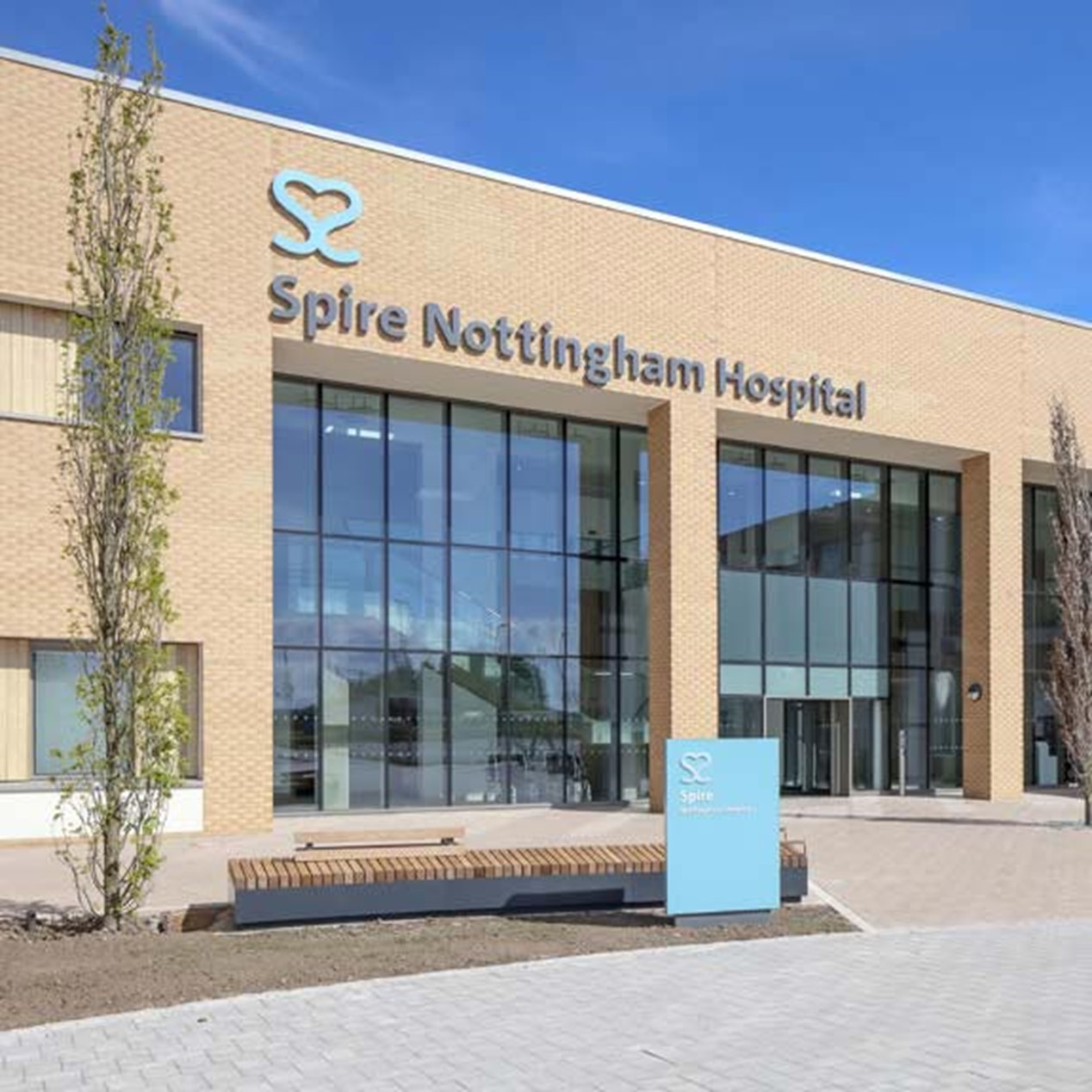
Find a Spire hospital offering this treatment
Who will do it?
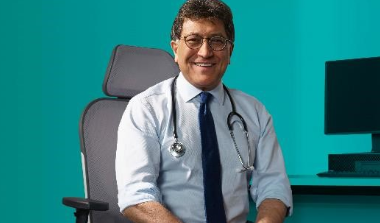
Our patients are at the heart of what we do and we want you to be in control of your care. To us, that means you can choose the consultant you want to see, and when you want. They'll be with you every step of the way.
All of our consultants are of the highest calibre and benefit from working in our modern, well-equipped hospitals and clinics.
Our consultants have high standards to meet, often holding specialist NHS posts and delivering expertise in complex sub-specialty surgeries. Many of our consultants have international reputations for their research in their specialised field.
Before your treatment
You will have a formal consultation with a healthcare professional. During this time you will be able to explain your medical history, symptoms and raise any concerns that you might have.
We will also discuss with you whether any further diagnostic tests, such as scans or blood tests, are needed. Any additional costs will be discussed before further tests are carried out.
Preparing for your treatment
We've tried to make your experience with us as easy and relaxed as possible.
For more information on visiting hours, our food, what to pack if you're staying with us, parking and all those other important practicalities, please visit our patient information pages.
Our dedicated team will also give you tailored advice to follow in the run up to your visit.
The procedure
We understand that surgery can potentially be a time of anxiety and worry. Our experienced and caring dental medical staff will be supporting you every step of the way
They'll give you a local anaesthetic injection to numb the area around the tooth. Sedative drugs can be given with local anaesthesia to help you feel relaxed during the procedure. A few people prefer to have a general anaesthetic, which means you'll be asleep, especially if the extraction is going to be particularly complicated. You will have discussed this with your specialist at the initial consultation.
Assuming that you've had a local anaesthetic, you'll feel some pressure just before the tooth is removed. That's because your oral surgeon needs to rock the tooth back and forth to widen the tooth socket. Sometimes they have to make a cut in your gum, and cut your tooth into smaller pieces before it's removed.
Such extractions usually take between a few minutes to 20 minutes.
Aftercare
If you've had a local anaesthetic you will probably be able to leave the hospital or clinic straight after the procedure. If you've had a general anaesthetic our staff will monitor you until you are ready to be discharged. This is almost always on the same day and does not normally require an overnight stay.
Pain relief
We will provide you with a supply of all the medicines your consultant feels you need to take home with you after you've been discharged, up to 14 days. This may be at an additional cost to some patients.
You can use over-the-counter medicines such as paracetamol or ibuprofen, with some research suggesting the latter is particularly effective in dealing with pain following wisdom teeth removal. The nurse or pharmacist will advise on appropriate pain relief for you before discharge.
Recovery time
It's a good idea to take a day or two off work - please follow your consultant's advice. Your mouth and jaw might take up to two weeks to fully recover after your wisdom teeth removed.
During this time, you may experience:
- swelling (inflammation) of your mouth and cheeks - this will be worst for the first few days, but gradually improves; gently pressing a cold cloth to your face can help to reduce the swelling
- a stiff, sore jaw - this should wear off within seven to 10 days; the skin around your jaw may also be bruised for up to two weeks
- an unpleasant taste in your mouth
- tingling or numbness of your face, lips or tongue although this is uncommon.
You can reduce the impact and aid your recovery with practical steps like using an extra pillow to support your head at night, avoiding rigorous activities for a few days and eating soft or liquid food during that time. Avoid alcohol and smoking for a few days.
During the first 24 hours you should avoid rinsing, spitting and hot drinks. This reduces the risk of removing the blood clots that form in the empty tooth socket which help the healing process.
After 24 hours, gently rinse the affected area with mouthwash after and carry on doing that regularly for a few days.
How your loved ones can help
If you had a local anaesthetic and feel well enough, you can drive yourself home. If you had a sedative you should avoid driving for at least 24 hours so you might want to ask a friend or relative to collect you after your treatment. You should not drive for 48 hours after a general anaesthetic.
You might also need help with any strenuous chores or put them off for a few days if you can.
Looking after you
Even after your treatment, we’re still looking after you every step of the way. After removing your wisdom tooth or teeth, we'll provide you with advice and support to help you recover quickly. You can call us with any questions or concerns during your recovery.
On rare occasions, there can be complications following the removal of wisdom teeth. If you experience any of these symptoms or have any other concerns - call us straight away:
- bleeding which doesn’t stop after applying pressure, or that lasts for more than half an hour
- have difficulty in breathing or swallowing
- have severe pain get a high temperature or fever
- continue to have facial swelling three days after the operation.
We will talk to you about the possible risks and complications of having this procedure and how they could apply to you.
If you have any questions or concerns about your recovery, you can call us at any time.
Why choose Spire?
We are committed to delivering excellent individual care and customer service across our network of hospitals, clinics and specialist care centres around the UK. Our dedicated and highly trained team aim to achieve consistently excellent results. For us it's more than just treating patients, it's about looking after people.
Important to note
The treatment described on this page may be adapted to meet your individual needs, so it's important to follow your healthcare professional's advice and raise any questions that you may have with them.
Procedures carried out at one of our Spire Healthcare Clinics will be performed under local anaesthetic.