
A virtual colonoscopy (also called a computerised tomography colonography) allows doctors to look at your colon (large bowel) to detect polyps and signs of cancer. A computerised tomography (CT) scanner uses X-rays to produce two-dimensional and three-dimensional images of the whole of the colon and rectum.
Why you might need it
Your large bowel is the lower part of your intestines. It absorbs water and nutrients from digested food that passes through it.
A polyp is extra tissue that grows on the inside of the bowel wall. While these are usually harmless, they can sometimes turn into cancer. To be safe, polyps are removed and tested for cancer.
Virtual colonoscopies are routinely done as an out-patient procedure.
If you decide to have your treatment with us, you will be looked after by an experienced multi-disciplinary care team.
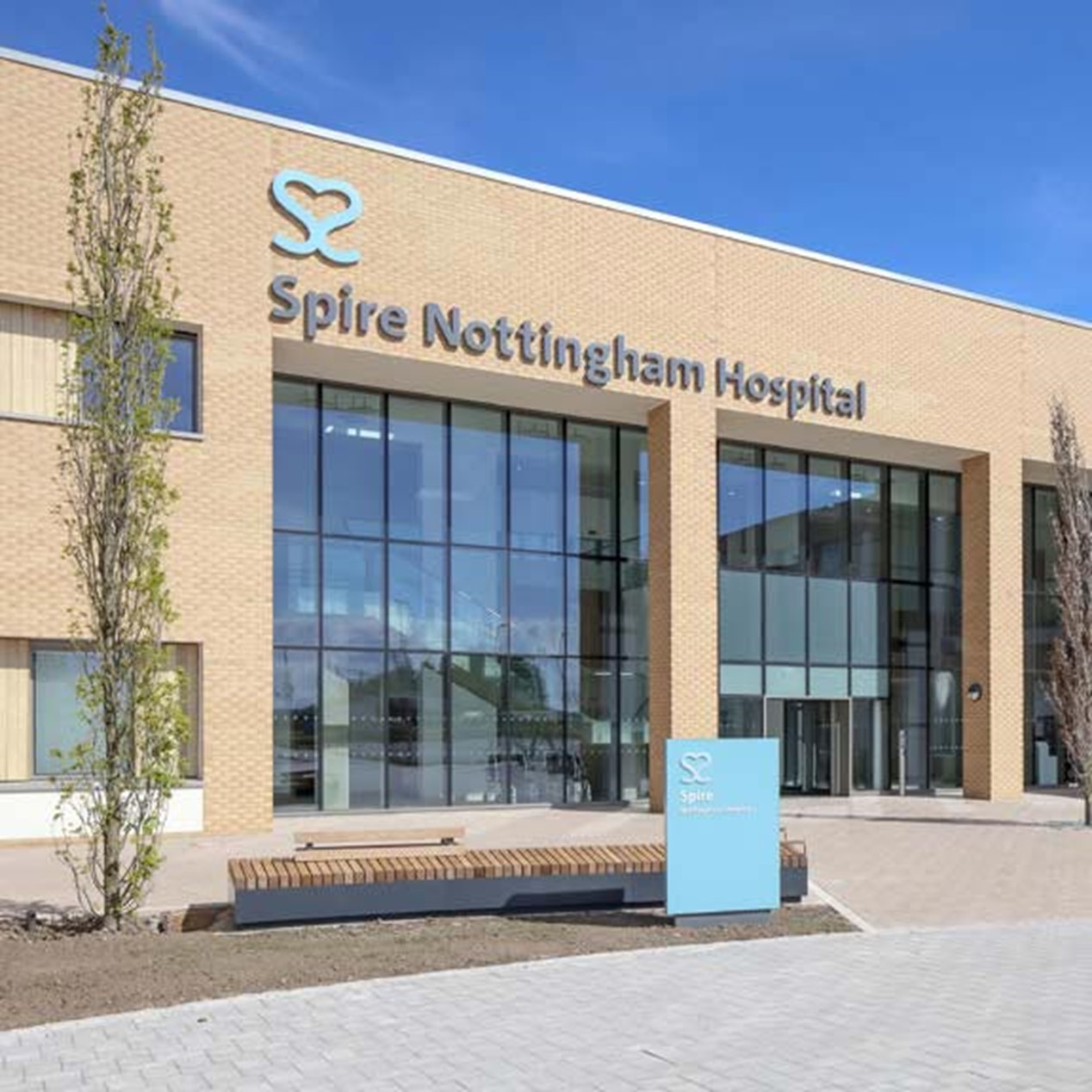
Find a Spire hospital offering this treatment
Who will do it?
Our patients are at the heart of what we do and we want you to be in control of your care.
Our diagnostic investigations are performed by highly qualified, specialist radiographers. Following your scan, a consultant radiologist will report their clinical findings to you.
Our consultants have high standards to meet, often holding specialist NHS posts and delivering expertise in complex sub-specialty surgeries. A number of our consultants have international reputations for their research in their specialised field.
Before your treatment
You will have a formal consultation with a healthcare professional. During this time you will be able to explain your medical history, symptoms and raise any concerns that you might have.
We will also discuss with you whether any further diagnostic tests, such as scans or blood tests, are needed. Any additional costs will be discussed before further tests are carried out.

Preparing for your treatment
We've tried to make your experience with us as easy and relaxed as possible.
For more information on visiting hours, our food, what to pack if you're staying with us, parking and all those other important practicalities, please visit our patient information pages.
Our dedicated team will also give you tailored advice to follow in the run up to your visit.
The procedure
We understand that having a test can potentially be a time of anxiety and worry. Our experienced and caring medical staff will be there for you, holding your hand, every step of the way.
Your scan will be performed by a skilled technician, called a radiographer. The procedure usually takes up to 20 minutes.
During the procedure, we may give you an injection of a muscle relaxant to help relax the muscles of your bowel wall. You may also have an injection of contrast at the same time.
The scanner is a large machine with a hole in the centre (like a ring). Only the part of your body inside the ring can be scanned. You will be asked to lie on a table that can slide in or out of the ring.
A thin tube will be placed into your rectum. Carbon dioxide or air will be passed into your colon to make the bowel wall easier to see. When this happens, you may briefly feel pains similar to trapped wind and the urge to go to the toilet but, as the colon is empty, this won't be possible.
The table will be positioned so that the middle part of your body is lying in the centre of the scanner. The X-ray unit will rotate around you to help produce images from all directions. The scanner is operated from behind a window. Your radiologist will be able to see, hear, and speak to you throughout the procedure.
You will usually have scans taken in two positions - one with you lying on your back and a second scan with you lying on your stomach. It can take several minutes for each image to form and it’s important to lie very still during the process. At certain points during the scan you may be asked to hold your breath for a couple of seconds.
Aftercare
A virtual colonoscopy is routinely done as an out-patient procedure, so you won't need to stay in hospital after the test.
Your radiologist will examine the images and send a report to the doctor who requested your test. The report can take a few days to reach your doctor. Before you go home, please ask your radiologist when you can expect to get your results.
On rare occasions, complications can occur with a virtual colonoscopy. If you experience any of these symptoms – bleeding, continued abdominal pain or bloating – call us straight away, as they may be a sign the colon has been damaged or perforated during the procedure. In rare cases, it's possible to have an allergic reaction to the contrast injection. If you experience any itching or difficulty in breathing tell your radiologist immediately. Medicines are available to treat any allergic reaction.
We will talk to you about the possible risks and complications of having this procedure and how they apply to you.
If you have any questions or concerns, we're here to help.
Why choose Spire?
We are committed to delivering excellent individual care and customer service across our network of hospitals, clinics and specialist care centres around the UK. Our dedicated and highly trained team aim to achieve consistently excellent results. For us it's more than just treating patients, it's about looking after people.
Important to note
The treatment described on this page may be adapted to meet your individual needs, so it's important to follow your healthcare professional's advice and raise any questions that you may have with them.